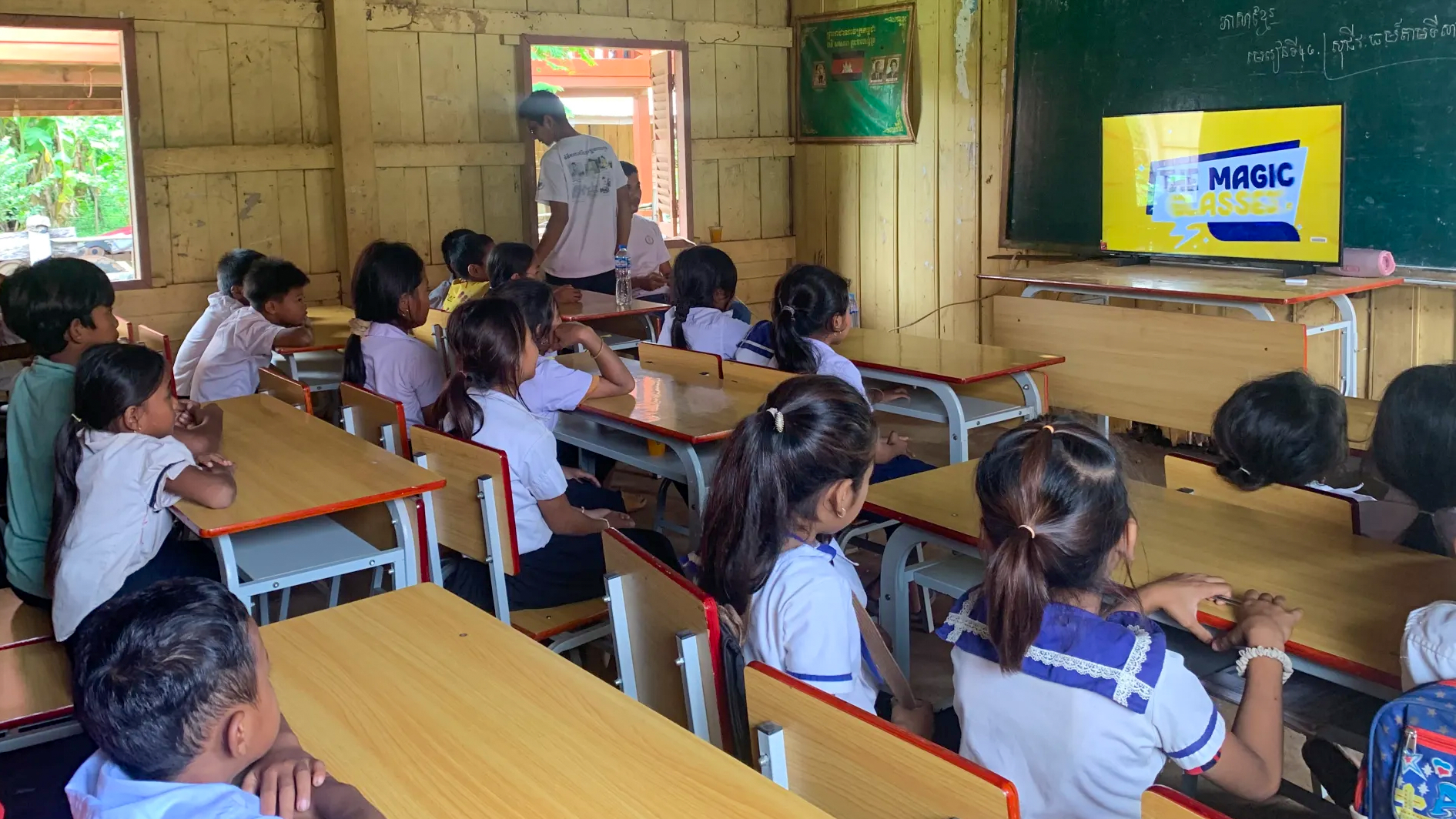
The cartoon teaching kids the dangers of invisible parasites
Certain food dishes are ingrained in a nation’s culture, often becoming household favourites. Think pizza and pasta in Italy, dumplings in China, and fish and chips in England.
In Southeast Asian countries across the Lower Mekong Basin, a fragrant, spicy raw freshwater fish salad is a staple household dish. But if you could see what’s invisible to the naked eye, you might think twice before trying it.
The risk lies in the raw freshwater fish, which can carry Opisthorchis viverrini, a parasite known as the Southeast Asian liver fluke. Eating raw or undercooked freshwater fish can lead to infection that, over time, can damage the liver and the bile duct and cause aggressive, often fatal cancer.
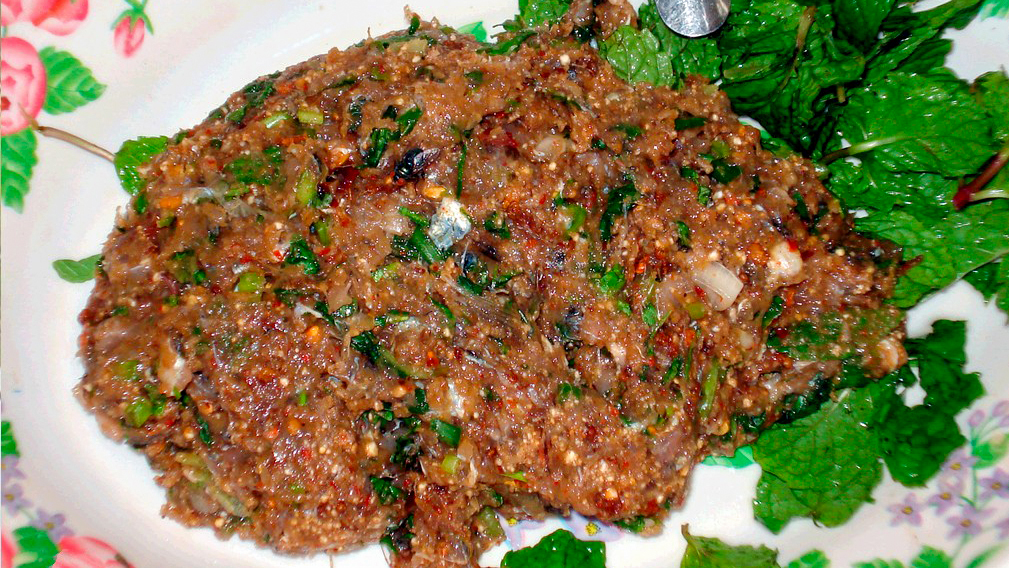
Existing research shows that eating raw fish remained the most reported risk factor for liver fluke infection in Southeast Asia. Infection rates can reach up to 88.3 per cent in Laos, 65.5 per cent in Cambodia, and 54.9 per cent in Thailand, respectively. Infections in children in these countries often go unnoticed for years, contributing to some of the highest rates of bile duct cancer in the world.
The silver lining: better knowledge about liver fluke is linked to reduced infection risk. While effective treatment exists, reinfection remains common, making prevention critical.
For Suji O’Connor, from The Australian National University (ANU) National Centre for Epidemiology and Population Health (NCEPH), helping the next generation avoid this invisible risk became the focus of her PhD.
“Kids want to be happy, be engaged and have fun – and they can only do that when they’re healthy,” she says. “That’s why child health promotion is so important. Early intervention can improve lifelong health outcomes for them.”
Making the invisible visible
Part of the challenge is rooted in the parasite’s microscopic nature. When the danger can’t be seen, it’s harder to change the longstanding practice of eating raw fish.
In 2019, when O’Connor was a Master’s student at NCEPH, she came across a promising ANU-developed initiative known as Magic Glasses—which is designed to make the invisible visible.
The program doesn’t involve literal lenses. Instead, it features an engaging cartoon in which a school child is given ‘Magic Glasses’ that reveal what causes infections and how to prevent them.
Following a successful rollout in China – Magic Glasses nearly doubled students’ knowledge of worm infection and halved infection rates – it was later adapted in the Philippines in 2016, followed by Laos, Cambodia and Thailand.
A transnational project
Working with Khon Kaen University in Thailand and partners from the Ministries of Health in Cambodia and Laos, O’Connor, who has been involved with the Magic Glasses research team since 2020, helped develop a new version of the cartoon tailored to new audiences.
First created for Thailand and later adapted for Cambodia and Laos, each version has been designed to ensure cultural relevance, supported by comic pamphlets that reinforce key health messages.
Testing the intervention, however, was much more demanding.
The study O’Connor led formed part of the first Magic Glasses trial to target liver fluke, and the first to run across multiple countries simultaneously.
Fourteen schools across Cambodia, Laos and Thailand were randomly assigned to intervention and control groups, with students’ knowledge, attitude and behaviour measured before and after the program.
Following an initial workshop in Thailand with all parties involved, O’Connor began an intense fieldwork period across the region. For months, she travelled frequently between countries—coordinating teams, aligning schedules, and overseeing training and data collection.
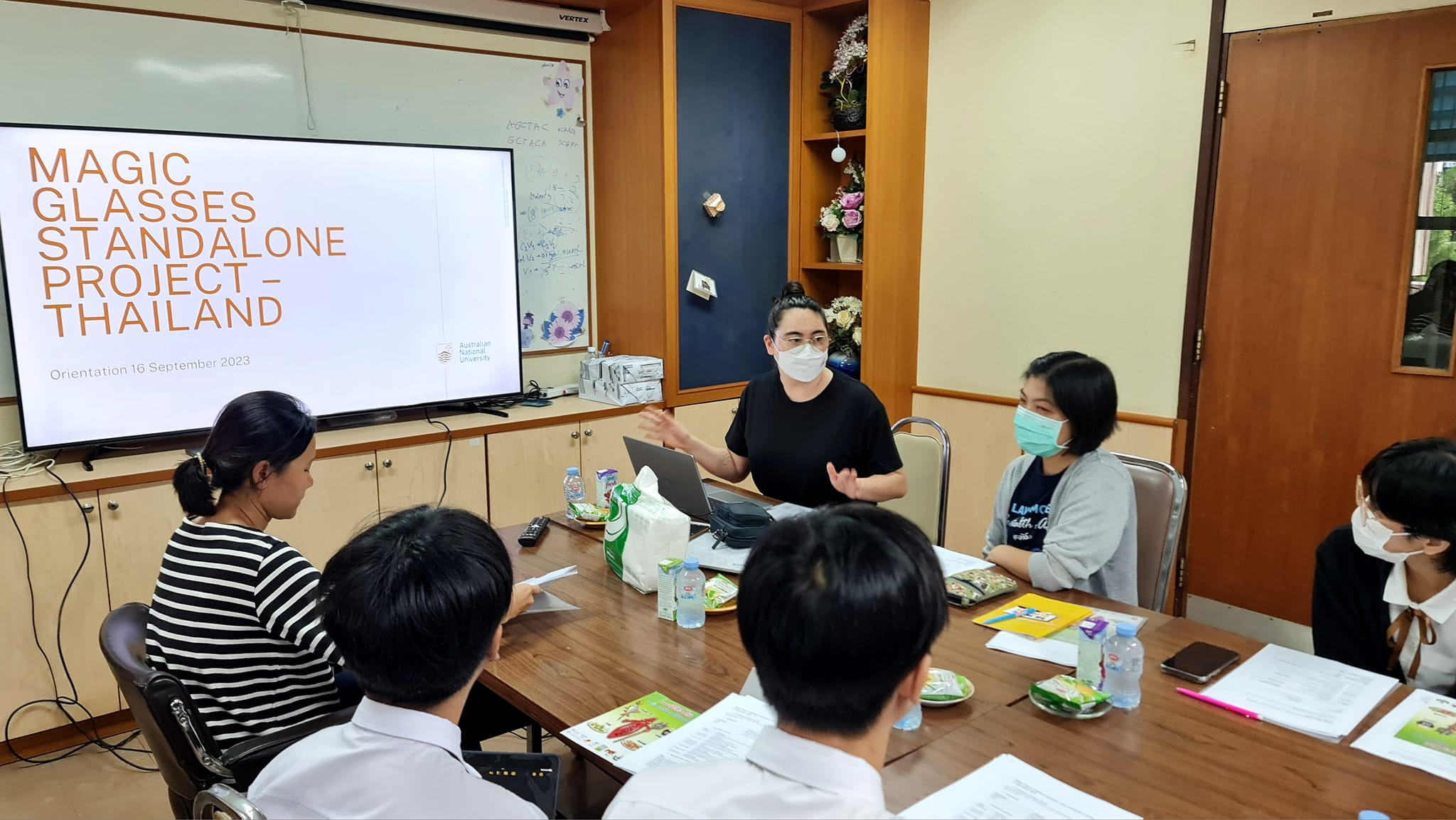
After seven years working on the Magic Glasses project, O’Connor has found the process highly rewarding.
“I'm very lucky to be able to do primary research in places where it’s very much needed,” she reflects.
“Although there were definitely times when I felt like I’d bitten off more than I could chew.”
Behavioural change: it’s a slow process
Across all three countries, the program was well received. Children found the cartoon engaging and easy to understand, with only minor difficulties around some terminology.
“If I had the Magic Glasses, I would wear them every day!” said one student in Laos.
The intervention improved knowledge and attitudes about the parasite in Cambodia and Laos, but less so in Thailand. No significant shifts in changing behaviours were observed in any country yet.
“It was a disappointment,” Suji admits. “Obviously you’d want it to be very effective behaviourally.”
That said, the findings were not a total shock.
Unlike earlier versions of Magic Glasses, which encouraged children to wash their hands and food, this intervention calls for eating fully cooked fish, something children often don’t control at home. Cultural traditions, preferences and resource constraints all play a role.
However, there were signs of change. Some parents in Cambodia and Laos reported learning about the liver fluke from their children. Others said their children began refusing to eat raw fish.
“Behavioural change is a slow process, so it’s possible that we would see more changes down the line,” O’Connor says.
The findings for the project have been published in Tropical Medicine and Infectious Disease.
Educating the youth
O’Connor says she has found a strong sense of purpose in improving children’s health outcomes by working on the project.
Her experience working across several countries has also sharpened her awareness of how unevenly resources are distributed. In many communities, preventable infections remain part of everyday life.
“Intervention targeting child health is really important,” she says. “Given that we have the resources to do something simple, affordable and effective, there's no reason not to.”