Centring lived experience: community organisations and researchers co-design health research
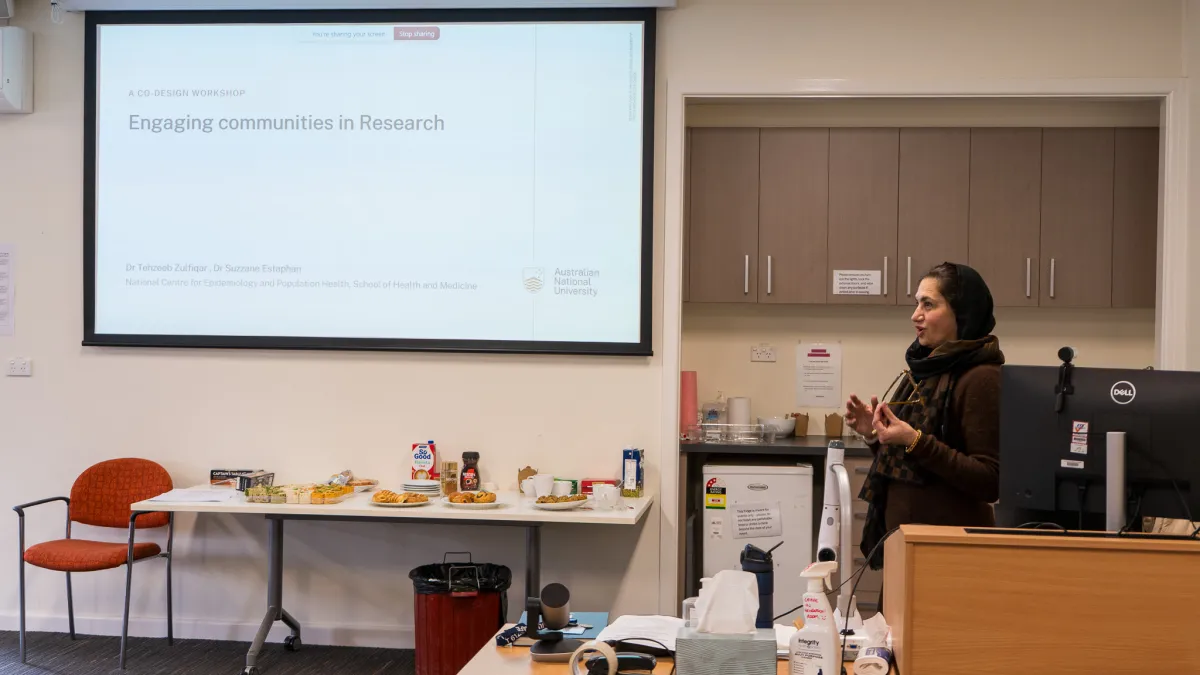
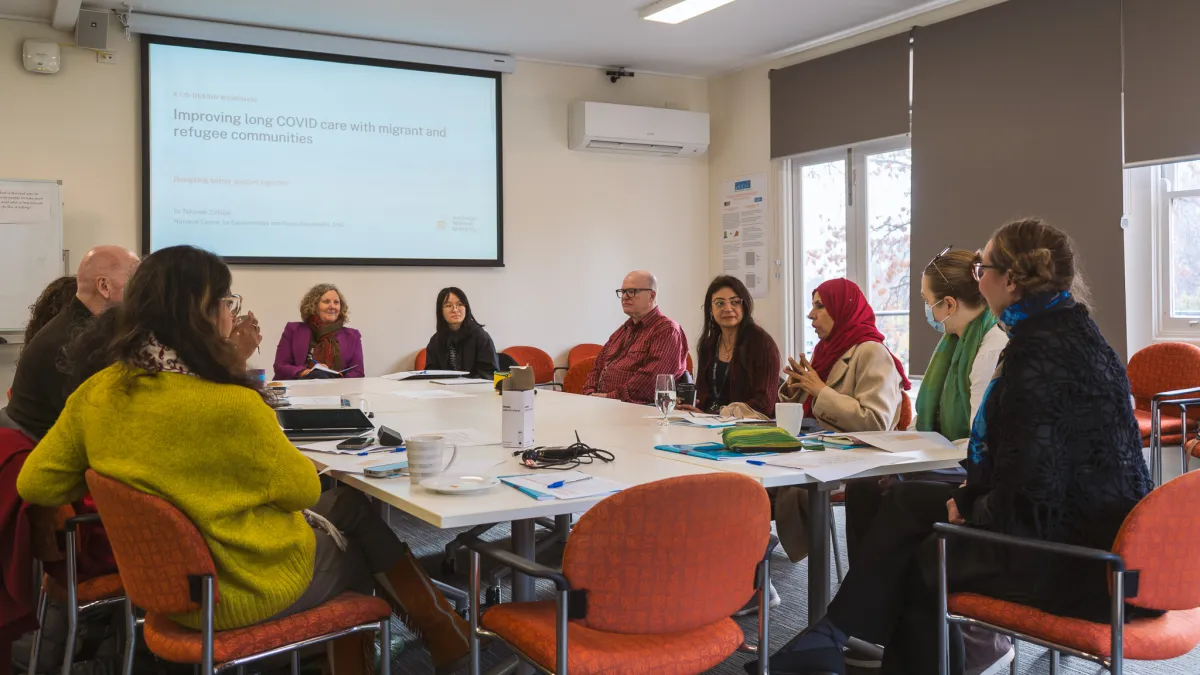
Researchers from the ANU National Centre for Epidemiology and Population Health (NCEPH) and the ANU School of Medicine and Psychology (SMP) partnered with community organisations working with migrant and refugee communities in the ACT to co-design future research on women’s health and post-acute sequelae of COVID-19 (PASC), commonly known as Long COVID.
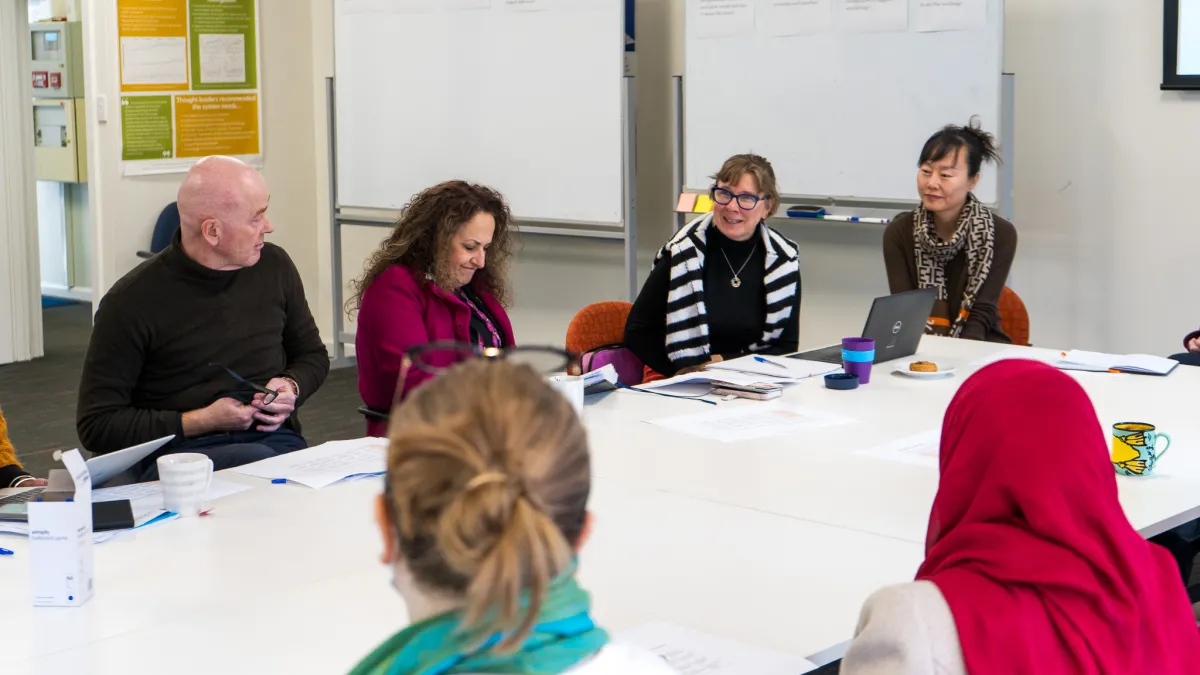
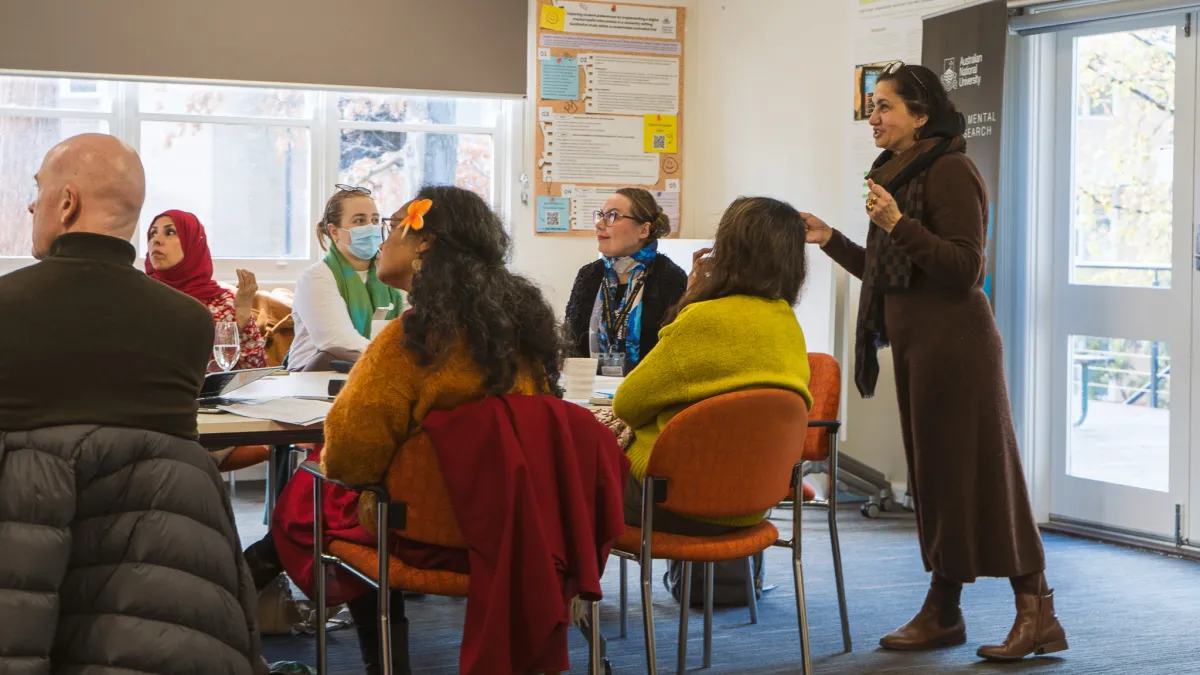
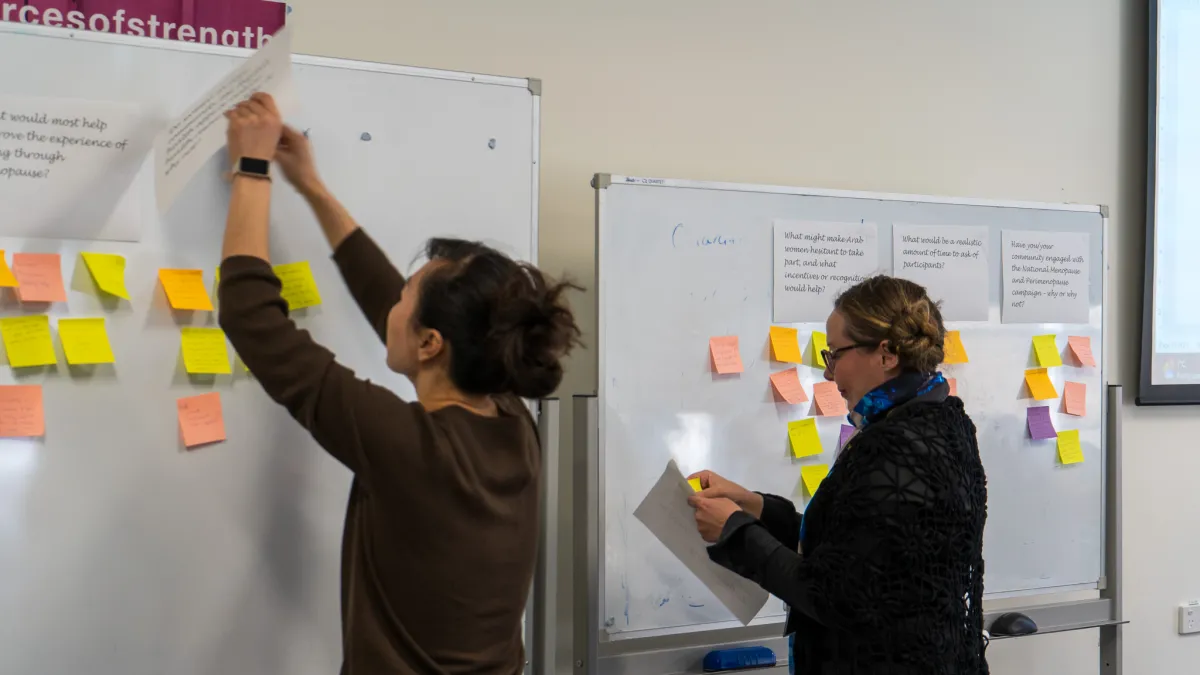
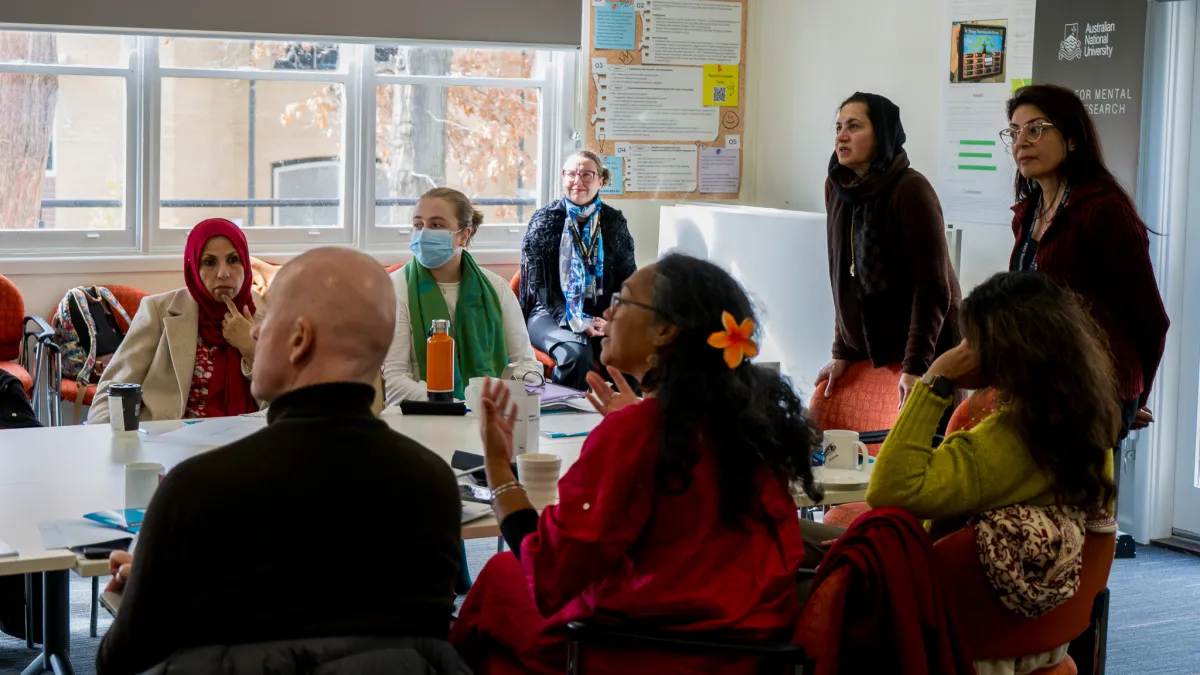
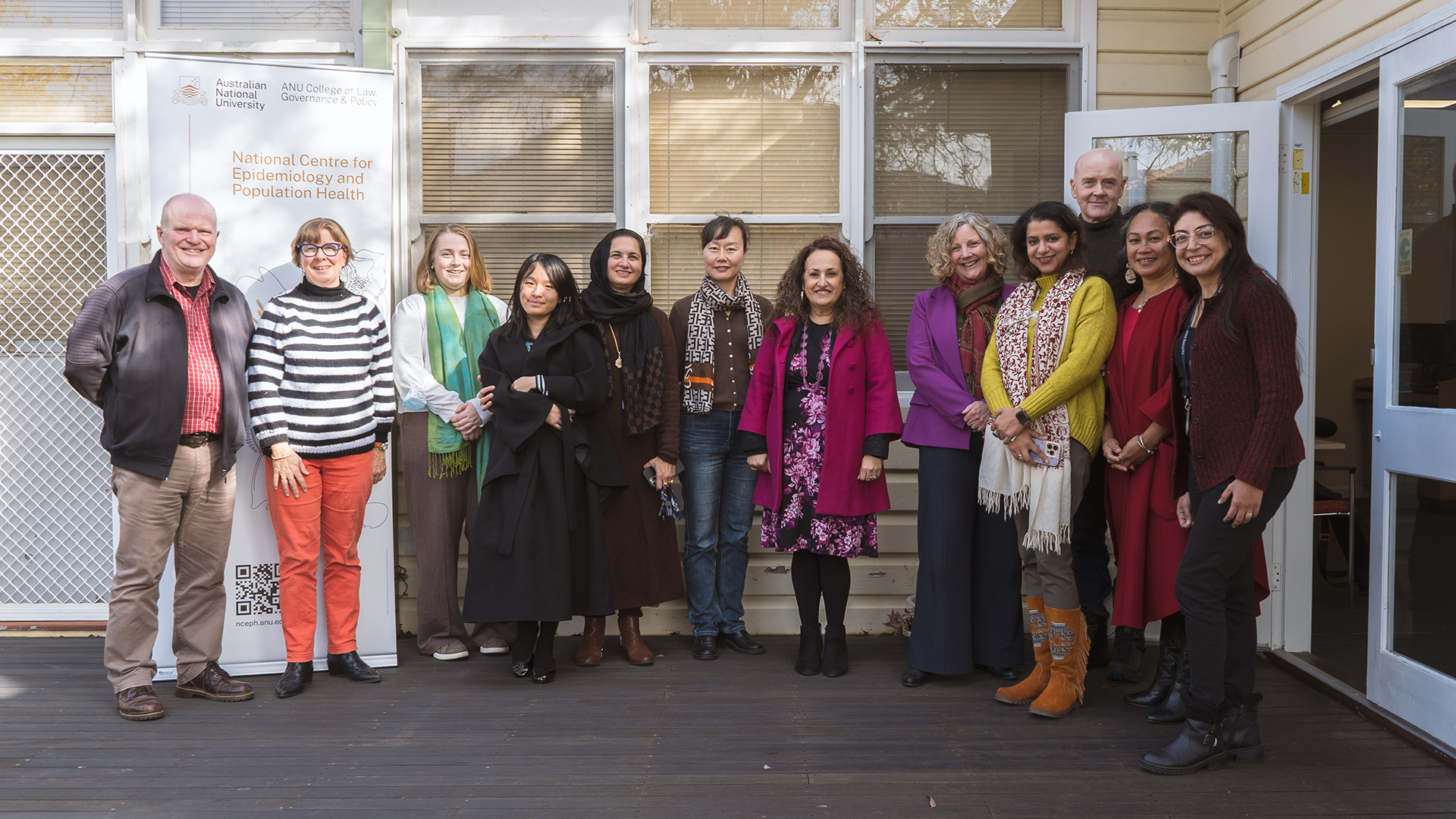
On 26 June 2026, a two-hour co-design workshop brought together representatives from community organisations, people with lived experience, and researchers to identify research priorities and engagement approaches. The richness of the discussion drew on the diversity in the room, across disciplines, professions and areas of expertise, and across nations, countries of origin and first languages.
The workshop deliberately combined open group discussion with individual, anonymous written responses. Mixing methods in this way was intended to capture every voice, including those less likely to speak up in a group, and to reach depth quickly. Discussion centred on how best to engage migrant and refugee communities in research as genuine partners rather than participants, and on the communication channels and approaches that communities trust.
Participants emphasised culturally responsive, in-language approaches, the value of peer connection and community-led conversation, and the importance of trusted messengers such as community and faith leaders and bilingual general practitioners.
Honest discussion and constructive debate led to a clear conclusion: one-size-fits-all resources often fail to reach or resonate with diverse communities. Instead, future health initiatives should be more personalised, contextualised, and centred on lived experience.
The workshop also opened opportunities for future collaborative research, with community members helping to design and guide the work.
Participating organisations included Companion House, the Australian Islamic Medical Association, Wellsprings for Women, the Health Care Consumers’ Association of the ACT, the Migrant and Refugee Settlement Services of the ACT, the ACT multicultural health organisation and the Canberra Coptic Orthodox ladies’ group.
The workshop demonstrated the value of partnership between community organisations and researchers in ensuring lived experience informs future health initiatives.
The workshop was facilitated by Dr Tehzeeb Zulfiqar, Professor Alice Richardson, Associate Professor Brett Lidbury and PhD scholar Mingming Zhou from NCEPH, with Dr Suzanne Estaphan, Dr Michelle Adiwangsa and Professor Hanna Suominen from the School of Medicine and Psychology.
NCEPH and SMP thanked all participating organisations and community members and look forward to continuing this work together.