
Lisa Whop recognised for Indigenous-led cancer research
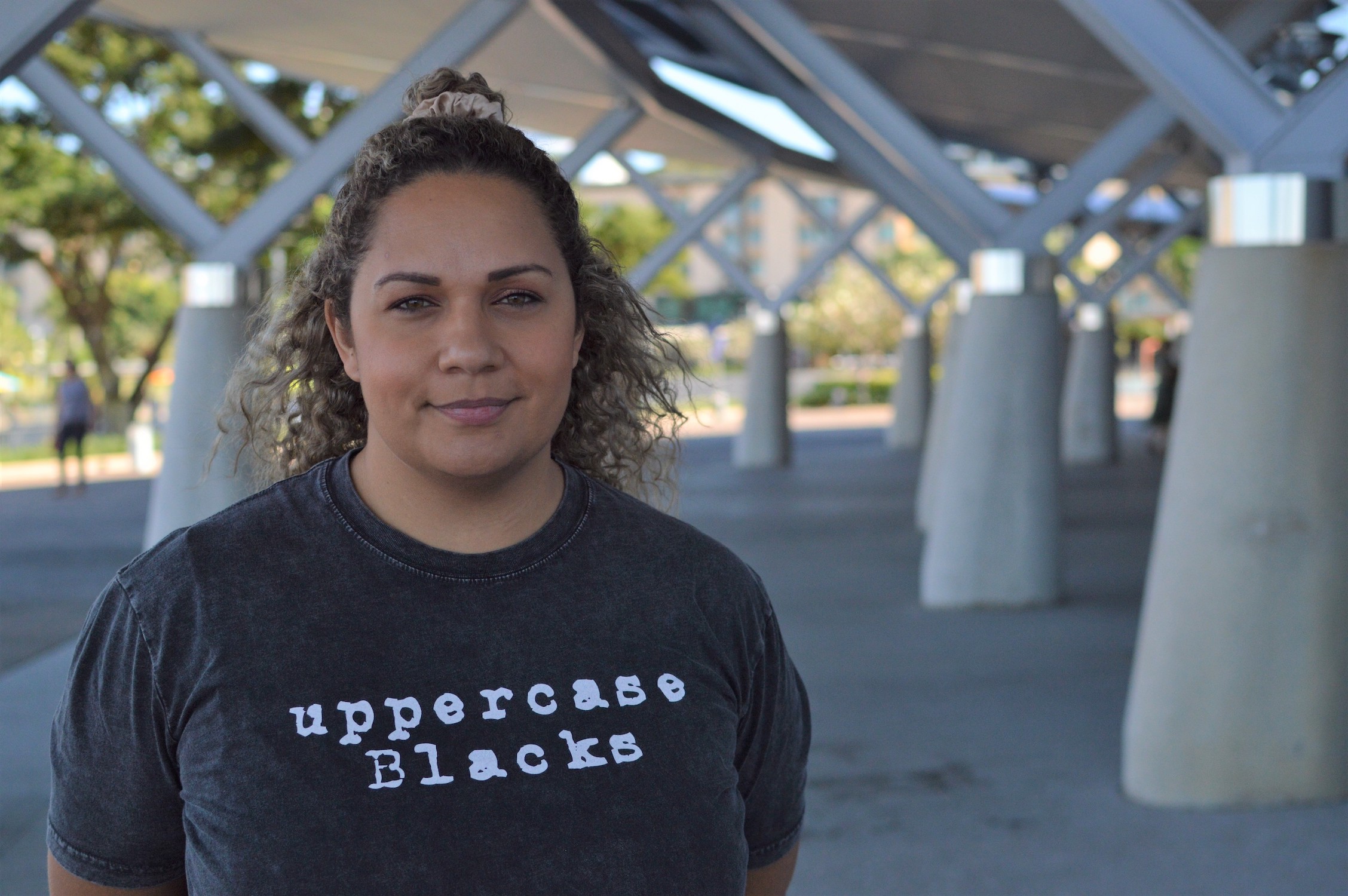
Yardhura Walani Associate Director Professor Lisa Whop has been awarded the 2026 Outstanding First Nations Researcher Medal from the Australian Academy of Health and Medical Sciences. She was recognised for advancing equitable cancer screening through Indigenous-led research.
A Wagadagam Gumulgal woman and Indigenist epidemiologist, Professor Whop focuses on cancer prevention and screening for Aboriginal and Torres Strait Islander peoples. She is exploring how health systems, policies, and programs can be improved to make prevention more accessible and culturally safe.
While cervical cancer is almost entirely preventable, Aboriginal and Torres Strait Islander women remain disproportionately affected.
Professor Whop’s work has demonstrated high acceptability of self-collection for human papillomavirus (HPV) testing among Aboriginal and Torres Strait Islander women. These data were part of the evidence contributed to support universal access to self-collection through the National Cervical Screening Program.
She and her colleagues have also shown that reaching people who have never participated in screening and improving follow-up could substantially accelerate cervical cancer elimination for Aboriginal and Torres Strait Islander peoples.
“Australia may be on track to become one of the first countries in the world to eliminate cervical cancer, but we cannot call that a public health success if Aboriginal and Torres Strait Islander women and people are left behind,” Professor Whop said.
The same community-designed approaches used in the cervical cancer elimination effort also underpin Professor Whop's current work, including the Sestaman study that evaluates Australia’s National Lung Cancer Screening Program from an Indigenous perspective.
The same community-designed approaches have been used in her current work in the Sestaman study, which is evaluating Australia’s National Lung Cancer Screening Program from an Indigenous perspective.
Feeling “incredibly honoured and humbled” to receive the medal, Professor Whop said the recognition reflected the collective nature of Indigenous-led research.
“Everything I have achieved has been collective,” she said. “Our responsibility is not simply to build our own careers. It is to create opportunities for others.”
Professor Gail Garvey AM, a Kamilaroi woman and Professor of Indigenous Health Research at The University of Queensland, also received a 2026 Medal for her work transforming cancer care for Aboriginal and Torres Strait Islander peoples. Her research spans cancer prevention, diagnosis, treatment, and survivorship.