
Supporting Pacific health professionals to strengthen epidemiology capacity
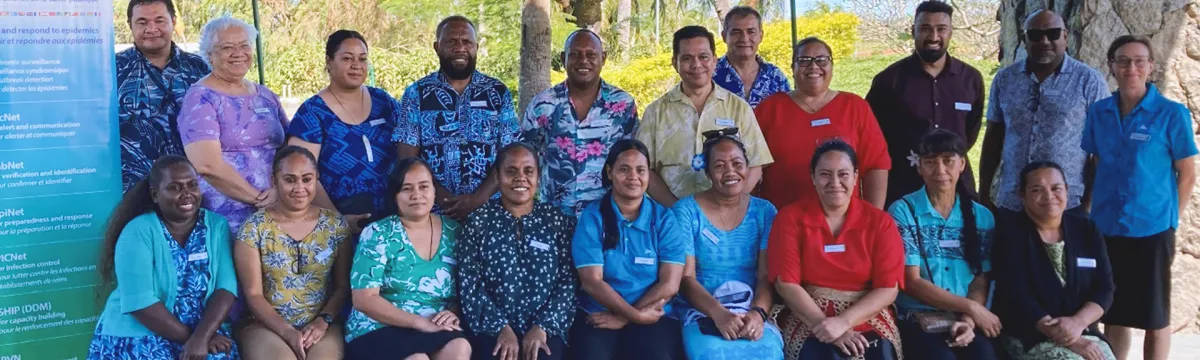
Nineteen Pacific Island health professionals gathered in Nadi in April for the first module of their Postgraduate Diploma in Applied Epidemiology (PGDAE).
Five of them are supported directly by the Pacific Evidence for Informed Policies and Programs Plus (Pac-EVIPP+), an initiative led by the Australian National University that provides up to AUD$20,000 per fellow to complete the diploma.
Funded by the Australian Department of Foreign Affairs and Trade, Pac-EVIPP+ fosters collaboration across the Pacific and Southeast Asian regions to help build a robust applied epidemiology workforce in the region.
Partnering with Fiji National University (FNU) and the SPC, the Pac-EVIPP+ researchers co-facilitated the weeklong training of the PGDAE module in April.
The module focused on operational research, an evidence-based process for identifying and solving operational bottlenecks within health programs in real-world settings.
During the training, the fellows developed skills in formulating research questions, selecting study types, navigating ethics processes, and applying analysis and statistics.
“The module was well balanced with a mix of group work and individual project time,” a fellow noted. “The content was very relevant for evidence-based decision making in our workplaces.”
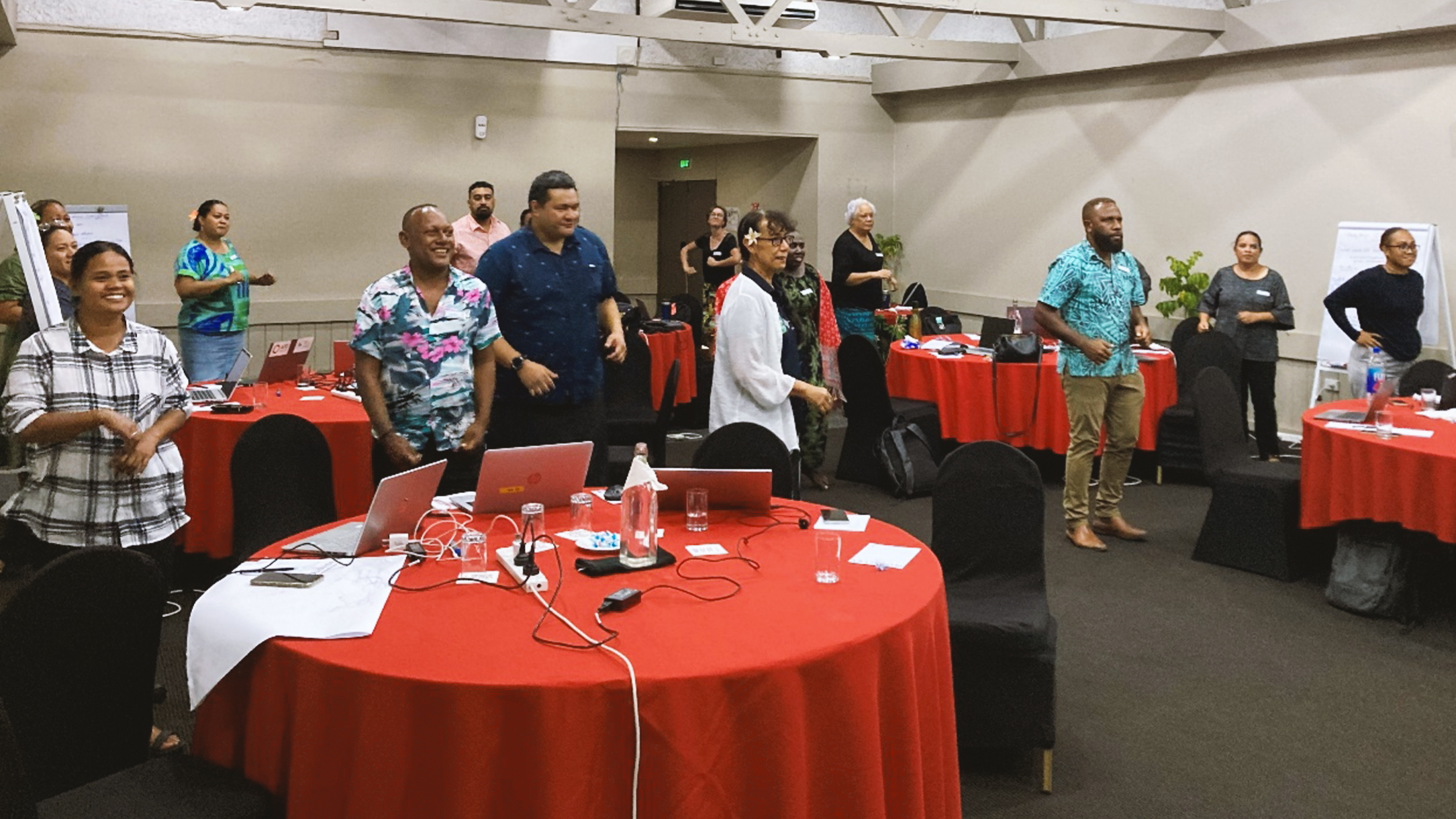
All fellows in this cohort are working within their respective Ministries of Health in the Cook Islands, Kiribati, Nauru, Samoa, Solomon Islands, Tokelau, Tonga and Vanuatu. This allows them to apply new skills, including biostatistics, which they are currently undertaking, directly to national priorities while continuing to serve their communities.
This combination of formal learning and workplace application is central to strengthening local public health capability across the region.
Over the coming months, fellows will design and implement operational or implementation research projects aimed at improving service delivery in their home countries.
In addition to assisting with venue hire and travel fees, the Pac-EVIPP+ team also provides structured support to make sure fellows can translate training into practice.
The directly supported Pac-EVIPP+ PGDAE fellows meet online fortnightly with the Pac-EVIPP+ team to mentor them through their assignments and projects until the students have completed their studies at the end of the year. These five students are from Fiji, Kiribati, Samoa and Tonga.
Overall, this qualification will help the fellows run projects designed locally to better their communities and further grow a network of health professionals to strengthen their public health preparedness and response.
Dr Rosalina Sa’aga-Banuve, leader of the Pac-EVIPP+ team, says the program is designed to make a long-term impact.
“We’re investing in locally embedded training and sustained mentorship,” she says.
“By doing so, we’re supporting a growing network of health professionals equipped to strengthen public health responses across Pacific Island countries.”