Celebrating 50 years of mental health research at ANU
This year marks a major milestone for the Centre for Mental Health Research (CMHR)—50 years since its founding.
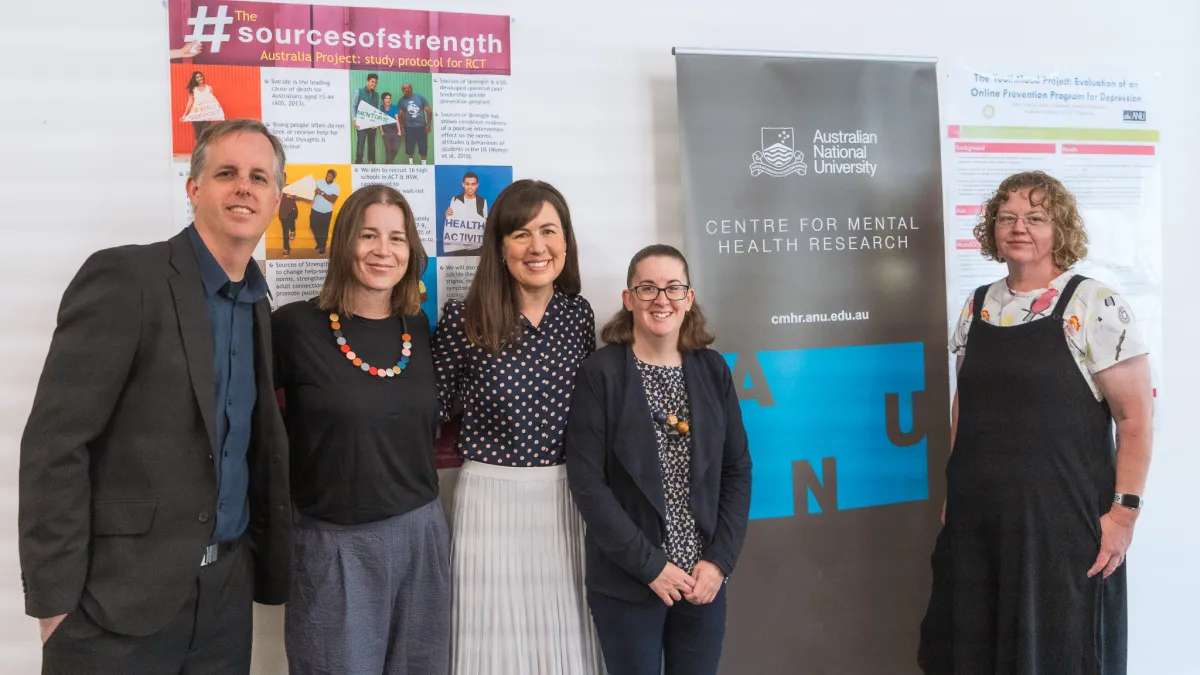
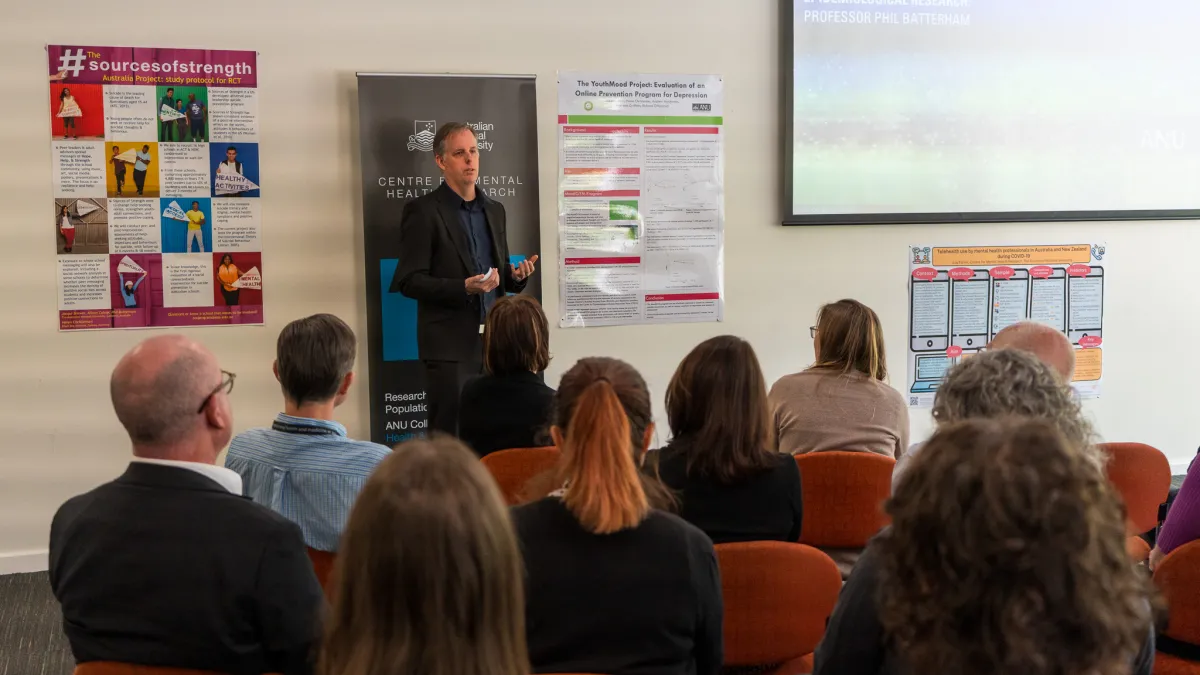
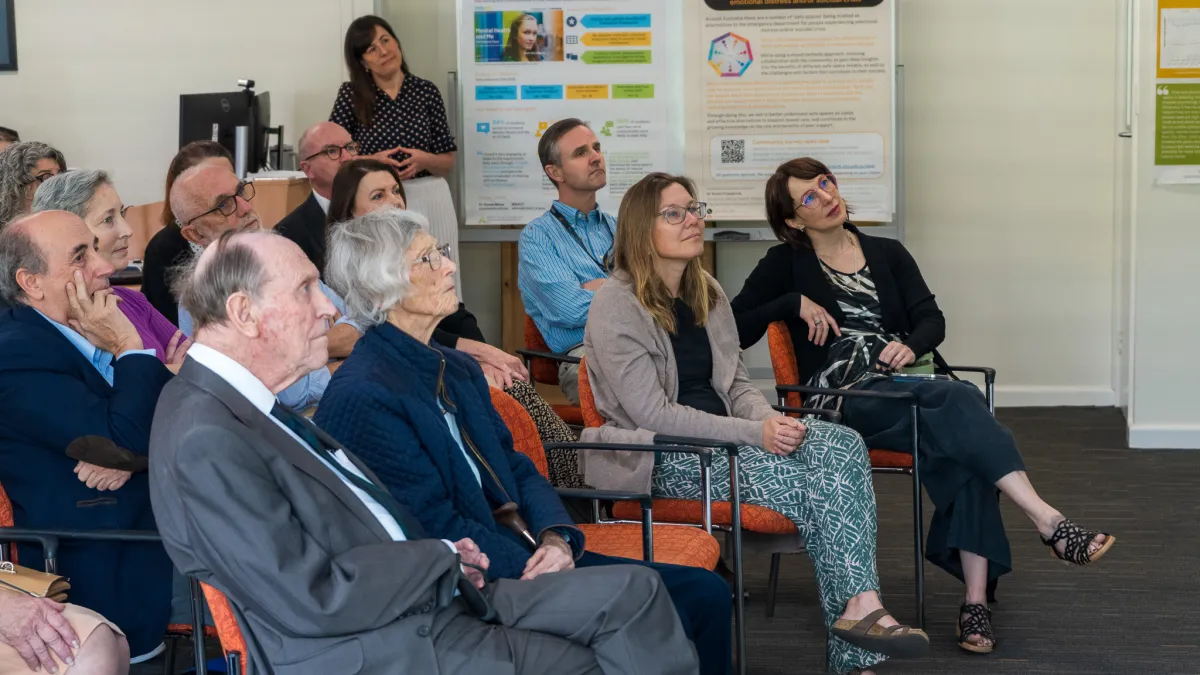
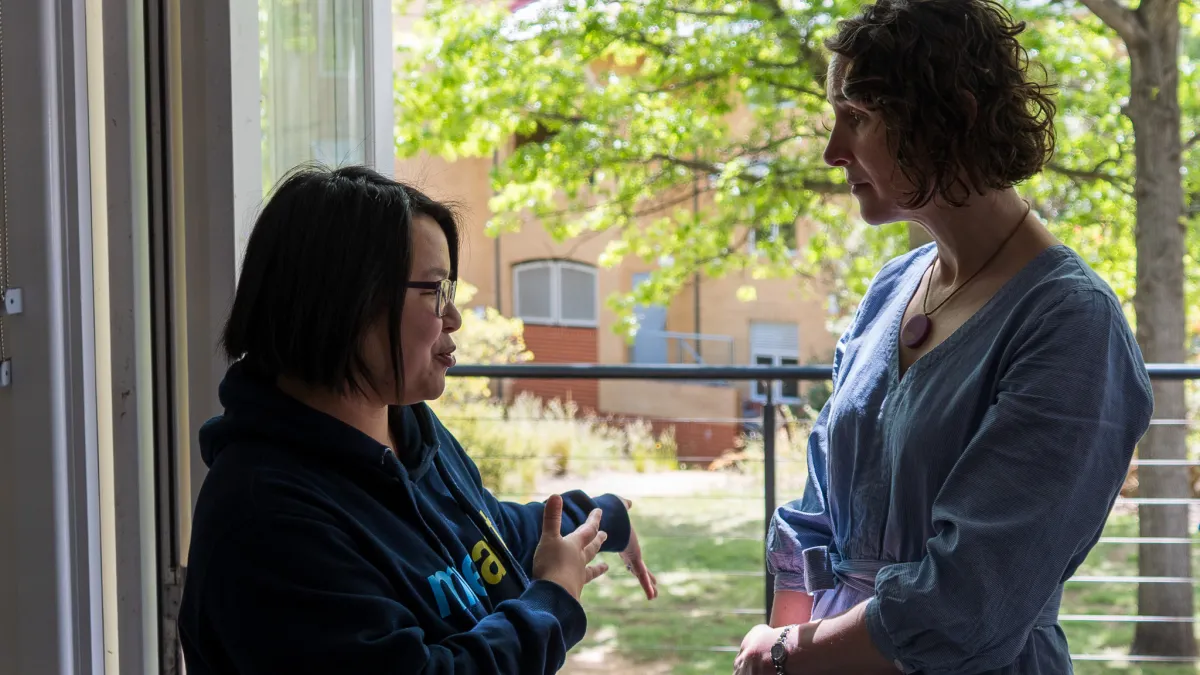
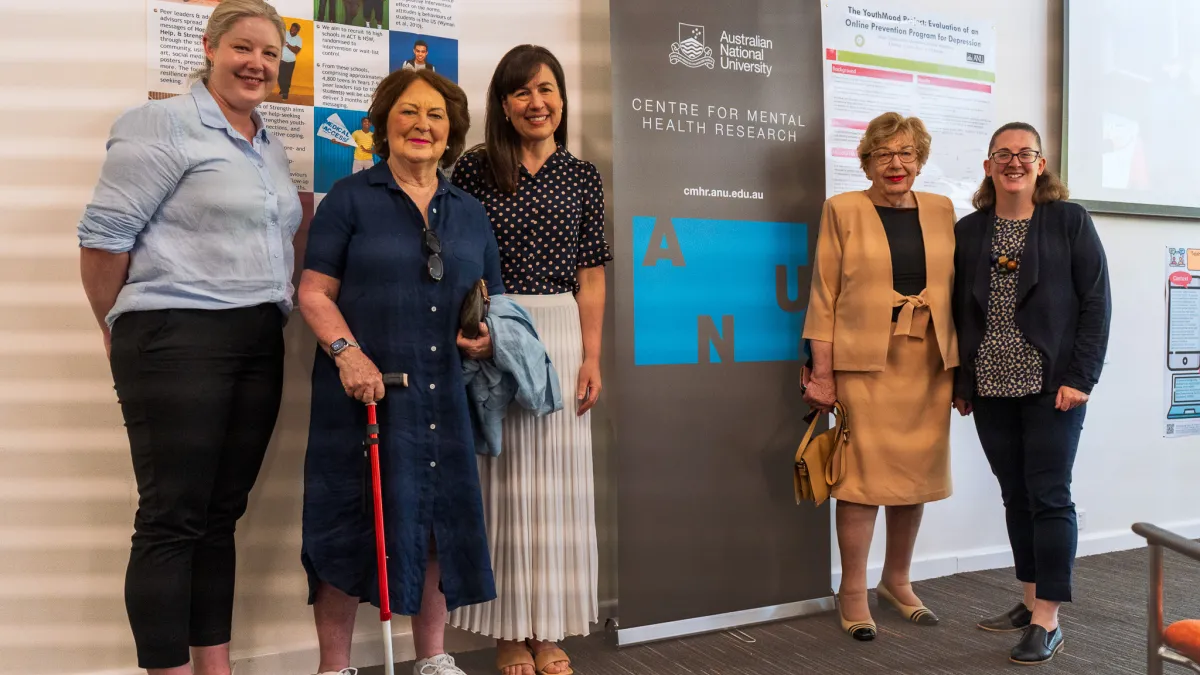
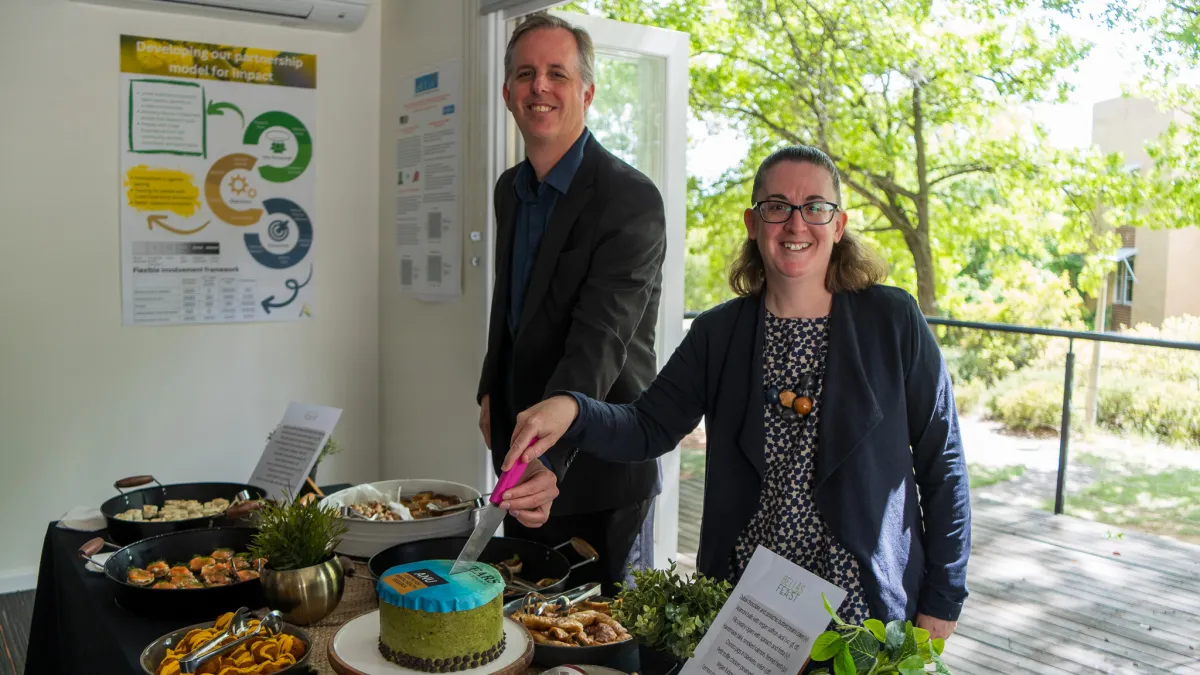
Last Friday, researchers, collaborators and invited guests gathered in the Henderson Conference Room at the ANU National Centre for Epidemiology and Population Health (NCEPH) for a warm celebration of the Centre’s history and achievements.
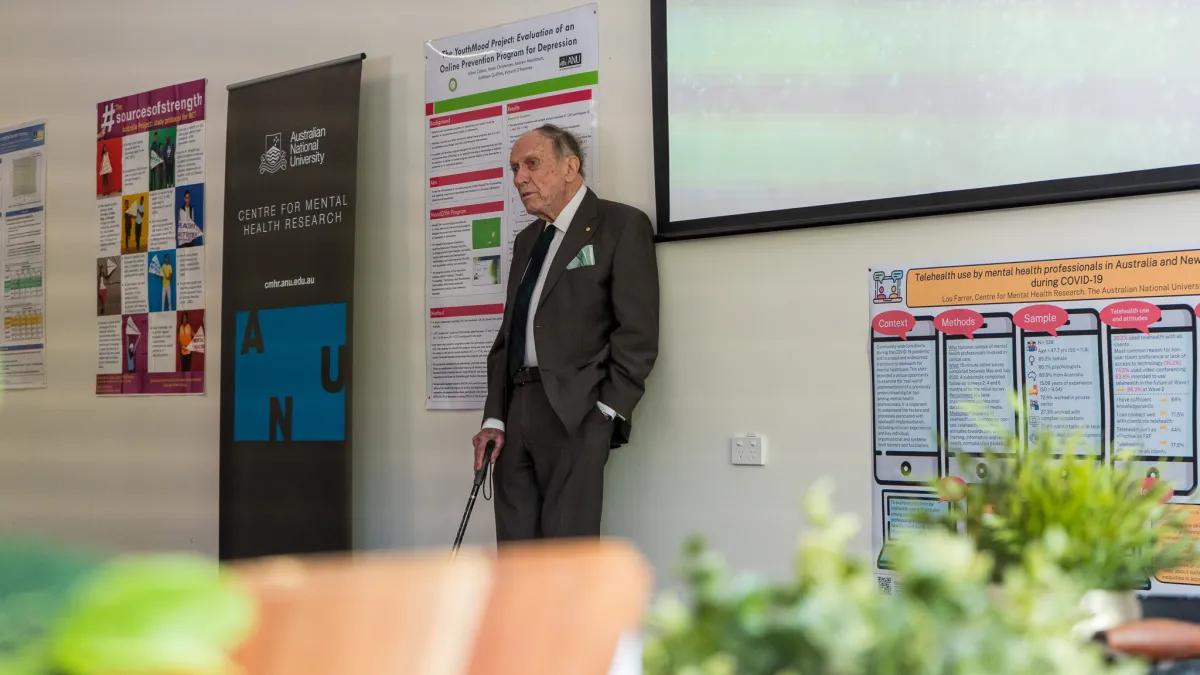
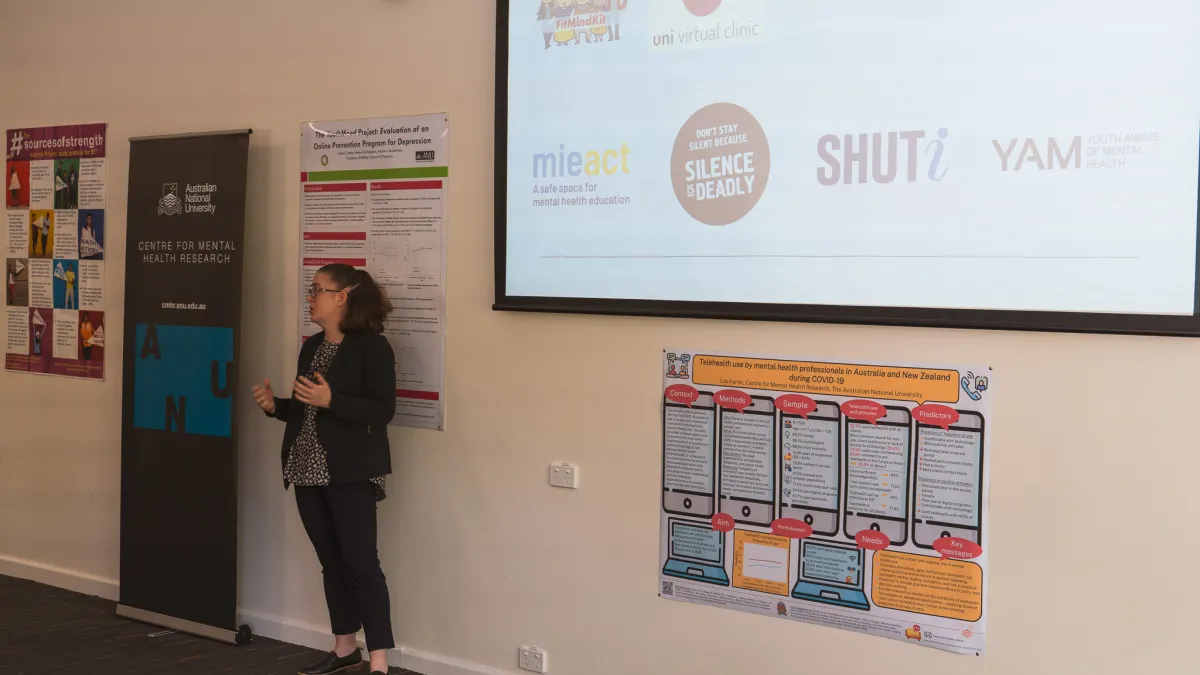
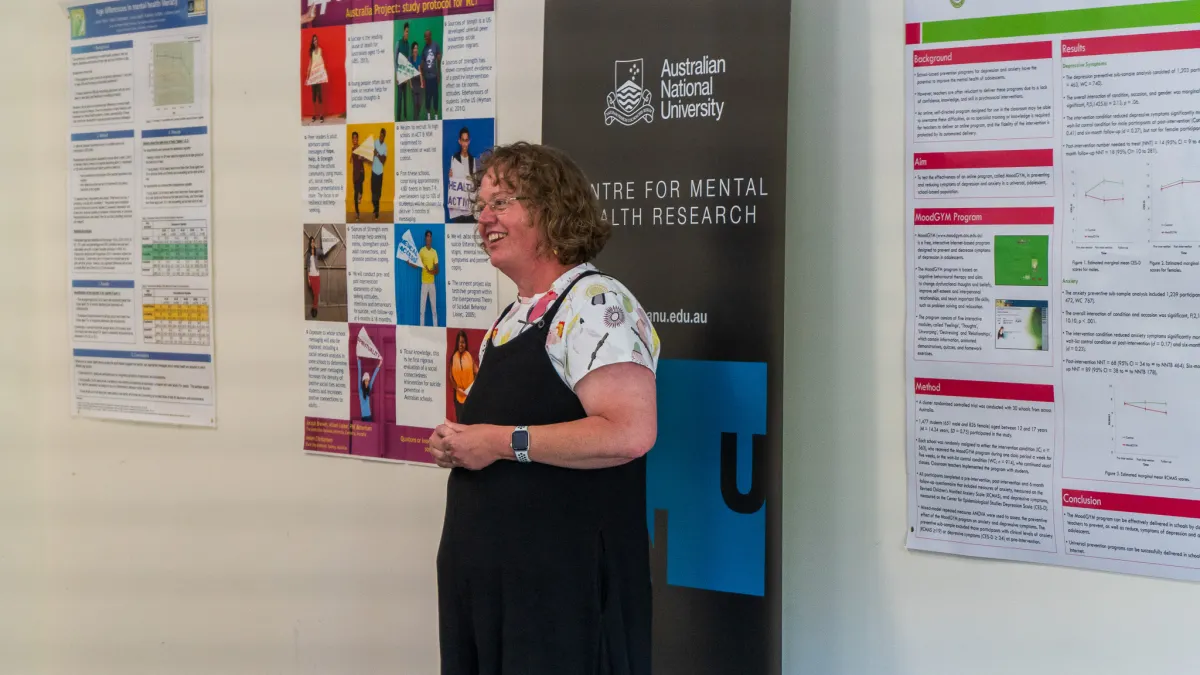
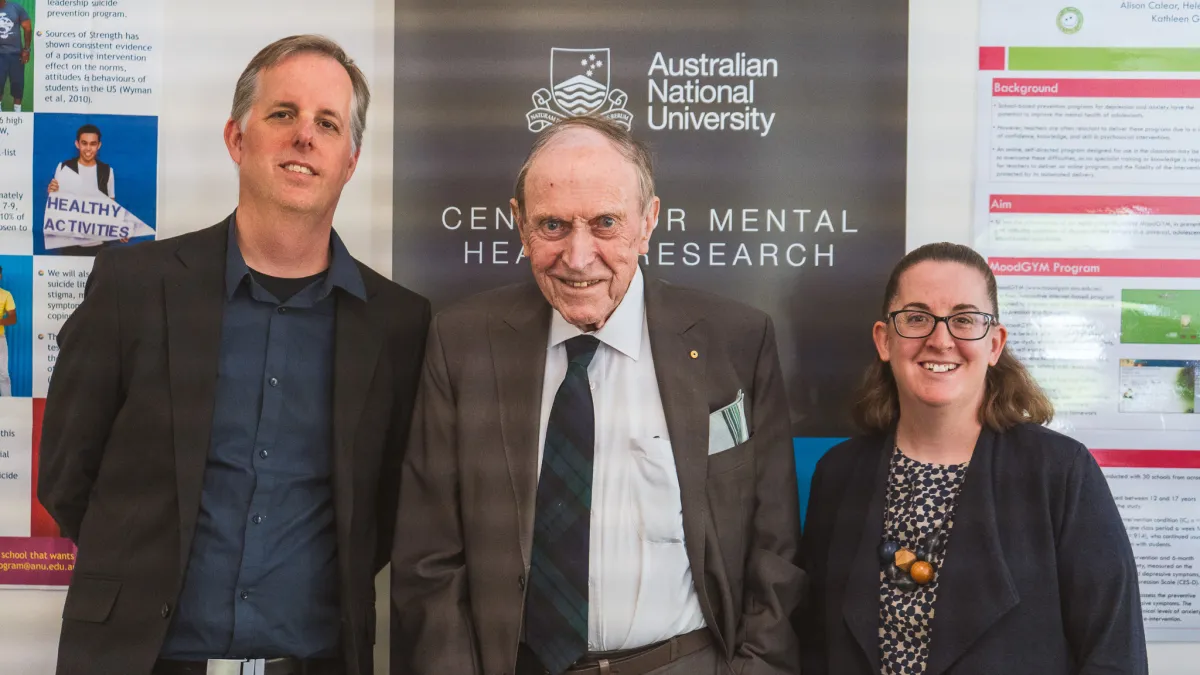
With a photo carousel on screen and study posters from over the decades, Associate Professor Lou Farrer opened the event with a welcome, followed by a thoughtful reflection from Emeritus Professor Scott Henderson, who established the Social Psychiatry Research Unit (SPRU) in 1975.
An elite NHMRC-funded unit and later a WHO Collaborating Centre in Mental Disorders, SPRU was among the first research groups in Australia to work closely with the community and broader sector to improve population mental health. Bringing together psychiatry, epidemiology and statistics, the Unit became internationally recognised and laid the foundations for what was renamed the Centre for Mental Health Research in 1995.
Speakers from across the Centre highlighted how that legacy has evolved.
“The imperative to collaborate with other researchers, health services and community organisations has only grown, as mental health research has become larger in scale and more community-focused,” notes CMHR co-head Professor Phil Batterham.
“While funding has changed and become increasingly competitive, researchers from the Centre have always aimed to conduct research that is rigorously designed and centred around community needs.”
From intervention and epidemiology research to health services work and lived experience research, the Centre has helped shift thinking toward population-level approaches to mental health.
CMHR co-head Professor Alison Calear reflected on the continuity of purpose across decades: “The goal through all of our research has been to support mental health in the community. While there is a lot more work to be done, our efforts have made substantial progress in better supporting individuals, services and communities to be more responsive to the needs of people who experience mental health problems.”
A defining feature of the Centre is its long-standing commitment to lived experience expertise.
“Lived experience was seen as part of my expertise when I joined the Centre 21 years ago—and it still is, and it drives what I do. I’m really proud that this Centre has always recognised the importance of lived experience, and it’s encouraging to see that lived experience research now sits at a national level,” reflects Professor Michelle Banfield, Co-Director and Lived Experience Research Lead for the ALIVE National Centre for Mental Health Research Translation.
Looking ahead, researchers emphasise that the challenges remain significant.
“We still do not have enough understanding of the diverse determinants of mental illness and suicide in the Australian population. We need greater innovation in harnessing population data, lived experience insights and emerging technologies to develop more personalised approaches to prevention and treatment,” says Professor Batterham.
Yet across research in schools, workplaces, community organisations, health services and online spaces, the Centre sees clear opportunities.
“This work requires large-scale collaborations and buy-in from the community, which increasingly recognises the importance of mental health for everyone.”
Built on 50 years of collaboration and community partnership, the work continues at the Centre for Mental Health Research—with a shared commitment to the decades ahead.