
A ripple across the Pacific: Building regional epidemiology from within
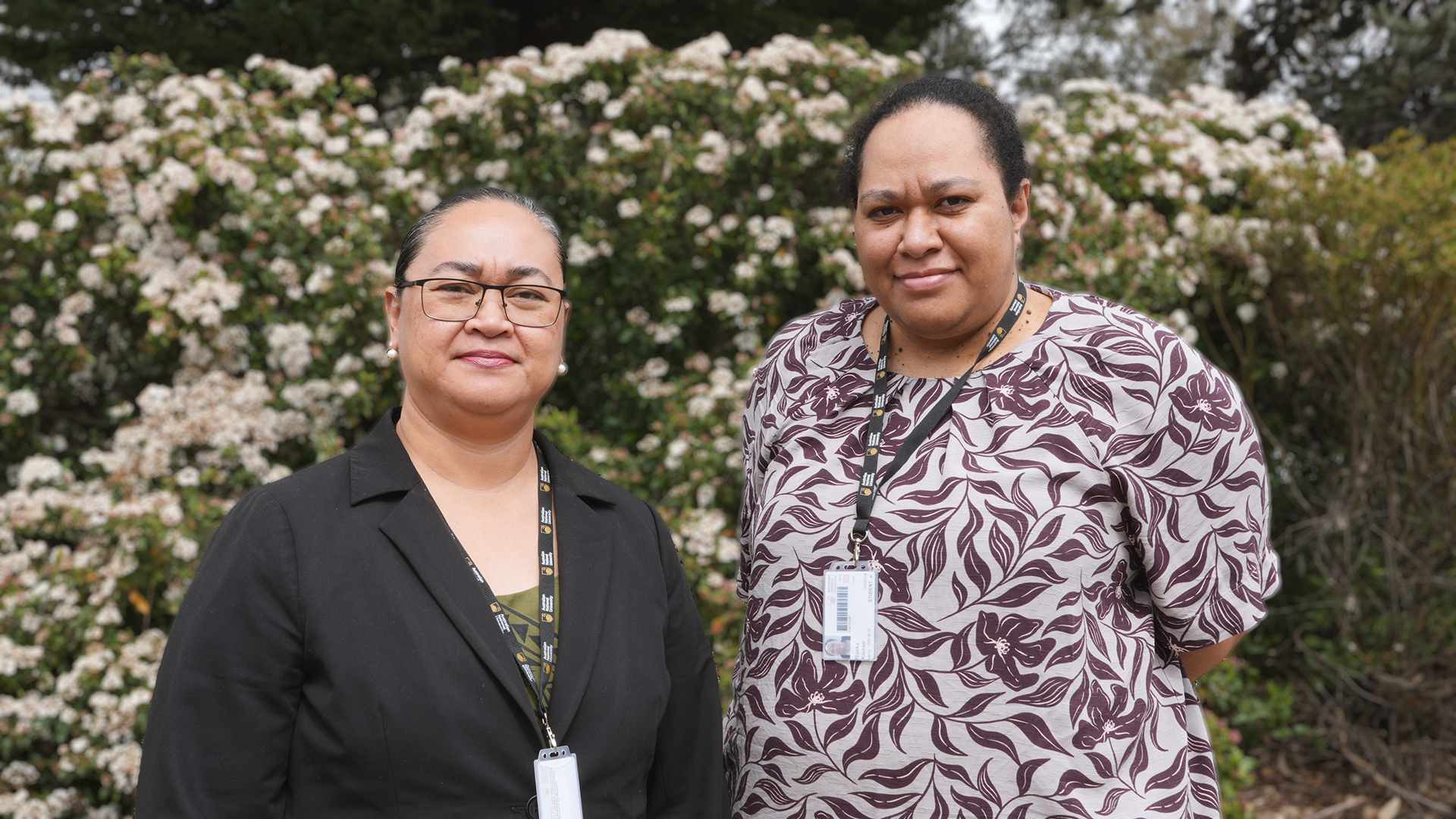
Dr Ana Mahe found herself surrounded by data when COVID-19 reached Tonga.
She knew the data could help answer critical public health questions, but she lacked the analytical skills to make full use of it.
“It's not just counting cases, but behind every number, every figure is a human being,” Ana says.
With few epidemiologists available in the country, she saw the need to expand her own skills beyond clinical medicine and contribute in a different way.
“The pandemic was a very eye-opening experience for me,” she says, “and it confirmed that epidemiology had become my career dream.”
Hundreds of kilometres away, Dr Ripeka Kaurasi from Fiji had reached a similar point in her professional life.
After serving at a rural hospital and helping respond to meningitis and typhoid outbreaks, Ripeka developed a growing interest in communicable disease control.
“I had observed how senior colleagues investigated an outbreak, but I hadn’t done formal training in epidemiology,” she says.
The Pacific Evidence for Informed Policies and Programs Plus (Pac-EVIPP+), led by the ANU National Centre for Epidemiology and Population Health, gave both doctors a pathway to advance their skills in epidemiology.
“One of the main pillars of our initiative is providing advanced learning pathways,” says Pac-EVIPP+ Team Leader Dr Rosalina Sa’aga-Banuve.
At the top of the pathways, selected fellows are supported through the new Pac-EVIPP+ MAE Fellowship to undertake the Master of Philosophy in Applied Epidemiology (MAE) program at ANU.
Established in 1991, the MAE program is Australia’s only Field Epidemiology Training Program, in which the scholars spend most of the program learning through field placements.
In 2025, Ana and Ripeka became the first Pac-EVIPP+ MAE Fellows. The Fellowship enabled them to have placements in their home countries—with Ana working at the Communicable Disease Unit under the Tonga Ministry of Health and Ripeka at the Fiji Centre for Disease Control.
“I like the fact that we learn through work,” says Ripeka, who has since been able to apply her MAE learning to her work.
“I learned a lot about analysing and presenting data for those in our ministry so that better decisions could be made,” she says.

Like Ripeka, Ana has built confidence in looking beyond the immediate numbers in front of her.
What she calls an ‘epi lens’ has allowed her to critically examine local data and present the evidence to inform targeted health interventions.
Learning alongside MAE scholars from diverse professional backgrounds across Australia also deepened her understanding of what she could bring back home.
“As a local epidemiologist, I would understand my culture, traditions, values and local context better than relying on experts coming from overseas,” Ana says.
For Rosalina, that is exactly the point of Pac-EVIPP+.
“I'd like to liken our program to a ripple in the ocean. What we are hoping to do is to create ripples across the region, focusing on these core people that we are training from the different countries,” she says.
“Success would mean country ownership—being able to own their data, analyse it and make decisions about the future for their country.”
For Ripeka, that ownership means finding a way to make better use of Fiji’s existing surveillance systems.
“Fiji is like the hub in the Pacific: we have a lot of flights from many other countries that come through Fiji to the rest of the Pacific, and vice versa—alongside that comes this risk of any new and emerging infections,” she notes.
That regional connectivity makes a robust surveillance system particularly important for Fiji.
“Understanding this is really important going forward to improve the surveillance systems that we have,” she says.
In Tonga, Ana hopes what she has learned from the MAE program can be used to help further strengthen her country’s epidemiological capacity.
“With my career ahead, I see the diversity,” she says with a smile. “I can wear more than one hat in outbreak response.”

Both scholars encourage Pacific health professionals with the same interest to take the opportunities for further training like the MAE program when they arise—and to bring the skills back home.
One trained epidemiologist at a time, those skills could help create a much larger ripple across the region.