

NCEPH Year in Review 2025
Director’s message

Welcome to NCEPH’s Year in Review 2025, where we share some of the highlights of staff and student achievements and impact across research, education, and public engagement.
Established in 1988 as an interdisciplinary research centre, NCEPH today is a vibrant, future-focused School that serves society through transformational research and education and tackles the big problems of today and tomorrow through collaboration. Working with our research and government partners, and with our students and communities, we strive for more equitable outcomes and are fearless advocates for positive and lasting change.
2025 was a year of considerable structural change across ANU, including the formation of a new College of Law, Governance and Policy. NCEPH is joined in this new College by three other exceptional Schools: Crawford School of Public Policy, ANU Law School, and the School of Regulation and Global Governance.
While we began working with our new College colleagues throughout 2025, NCEPH continued to do extraordinary work in improving population health and wellbeing in Australia and internationally, delivering research and driving change, and training the next generation of researchers and practitioners.
Recognition highlights
Key milestones, recognitions, and moments that defined NCEPH’s year
 NCEPH trio recognised with national awards for health research
Professor Philip Batterham, Professor Emily Banks and Professor Raymond Lovett have been honoured with awards from the NHMRC.
 Distinguished Professor receives international recognition for work on tobacco control
Tackling tobacco smoking and e-cigarette use is all in a day's work for Professor Emily Banks, who the World Health Organization is celebrating.
 Research advancing cervical cancer elimination recognised nationally
Advocating for better Indigenous health earns A/Prof Lisa Whop the Aboriginal and Torres Strait Islander Research Leadership Award.
 Lancet Countdown wins award for bridging climate-health evidence into action
The Lancet Countdown on Health and Climate Change, a collaboration of over 300 scientists worldwide, has received the GAEA Award from the World Economic Forum.
 Indigenous epidemiologist awarded Outstanding First Nations Researcher Medal
Prof Ray Lovett's work on health and wellbeing for Aboriginal and Torres Strait Islander peoples has been awarded by the Australian Academy of Health and Medical Sciences.
 Two CMHR researchers recognised at 2025 YOGIE Awards
Prof Alison Calear and Dr Alyssa Morse have been awarded the Youth Coalition Staff Acknowledgment Award at the Annual YOGIE Awards 2025.
Research stories
The questions and journeys shaping NCEPH research beyond individual studies

A case for space: safe havens in the mental health system
This revolutionary yet simple approach to crisis care provides compassion and safety for those who traditionally miss out on help.

‘He never makes false promises’: the ANU scientist blending cultural practice with clinical care
Dr Uday Yadav has returned home to Nepal to set up community-led health programs addressing chronic health conditions.

Mates and vapes: tackling industry influence on teenage smoking
Amelia Yazidjoglou is determined to prevent the tobacco and e-cigarette industry from targeting teenagers and addicting the next generation.

Home birth or hospital delivery? Choice and safety should come first
Kai Hodgkin investigates midwifery care outside of hospital in low-income settings. She says women should be empowered with the information they need to make the birth choice that’s right for them.

Making numbers more meaningful in population health
How researchers untangle population health problems with econometricians using modelling and maths.
Research insights
How NCEPH research informed policy, practice, and public conversations

Australia’s biggest killer: smoking causes 66 deaths daily and 24,000 annually
A new study followed 178,000 people over time and provides the first detailed evidence to date on smoking and cause of death in Australia.

Sport participation linked to lower vaping among adolescents
New research from the Generation Vape research project shows Australian adolescents who participate in sports are less likely to use e-cigarettes.

Study shows major financial burden of chronic conditions
The cost of health care is a major burden for people living with chronic conditions and their carers, according to a new NCEPH study.

Inequalities in Aussie life expectancy show narrowing, but some groups left behind
The nation's treasurers have agreed to include reform that allows health practitioners to work to their full scope of practice in the national competition policy arrangements.

50% of gender earning gap based on time borrowed from women
New NCEPH study showed how one partner’s paid work hours can increase when the other partner does more unpaid (household) work. This was one of the most important drivers of the work hour—and earning—gap.
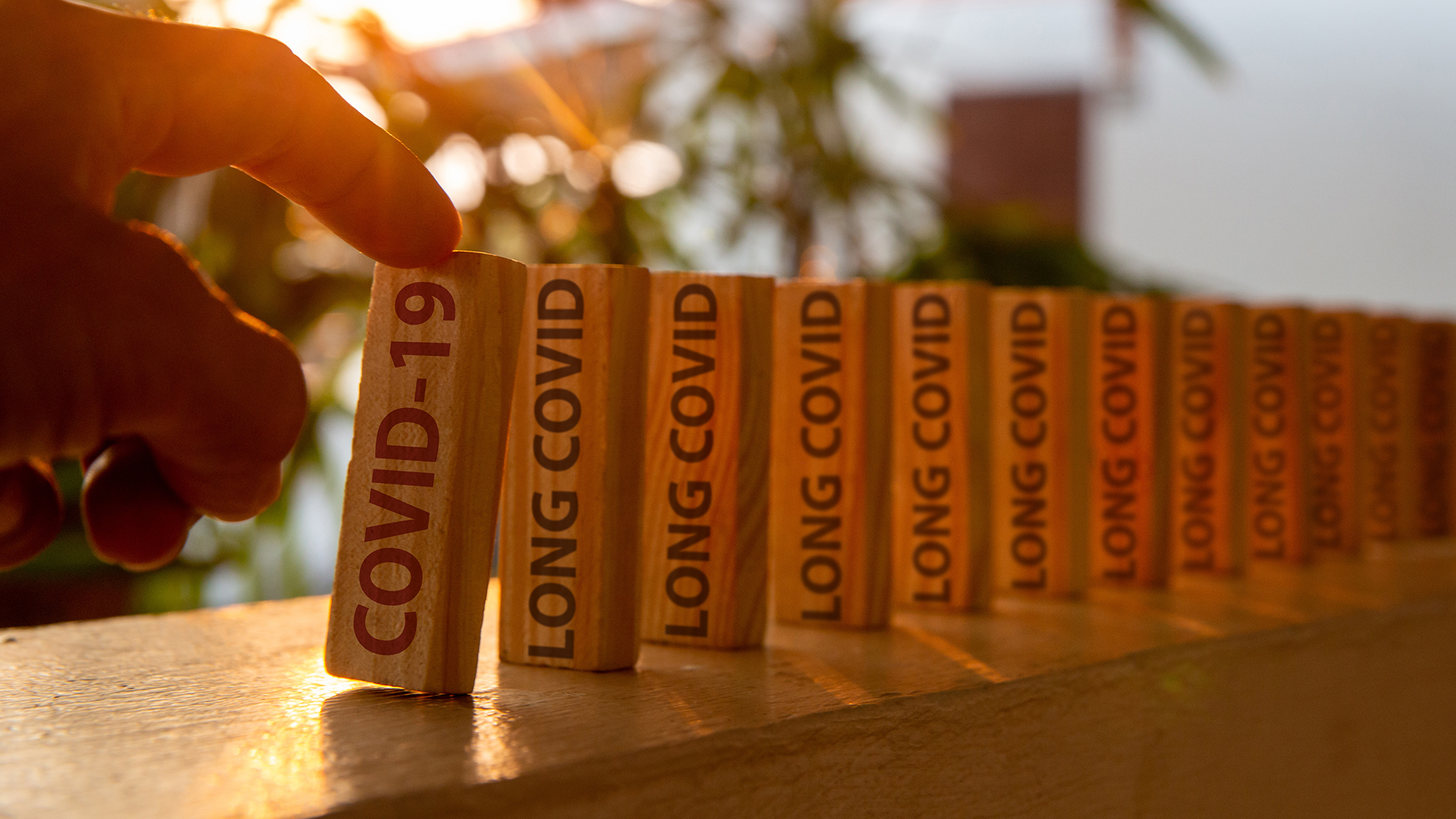
More than half of long COVID patients still showing symptoms after six months
A new study of Australians suffering from long COVID found 58.7 per cent still had persistent symptoms six months after their initial infection.
Grant successes
Major grants secured in 2025, supporting NCEPH’s research priorities
National Health and Medical Research Council (NHMRC) Investigator Grant
The impact of settler-colonial risks on Aboriginal and Torres Strait Islander health and the role of culture as a protective factor
Funding: $2,792,745.00
PI: Professor Raymond Lovett
Almost half the health gap in what contributes to poor health for Indigenous peoples is unexplained. This proposal will analyse, for the first time, large-scale data on settler-colonial risk impacts on Aboriginal and Torres Strait Islander peoples. This proposal will generate new evidence on the ongoing impacts of colonisation, and protective factors of cultural determinants to equip policymakers and communities to shift the dial on Closing the Gap.
Partnerships for Cancer Research Grant: Improving First Nations Cancer Outcomes
Sestaman: an Indigenous evaluation of the National Lung Cancer Screening Program
Funding: $2,484,214.00
PI: Associate Professor Lisa Whop
Lung cancer is the leading cause of Aboriginal and Torres Strait Islander cancer deaths, with mortality rates rising compared to falling rates for non-Indigenous Australians. A new Lung Cancer Screening Program starts in 2025 and offers a chance for a program evaluation by a world leading Indigenous research team. This study will evaluate the program's effectiveness, understand participant experiences, and identify barriers and enablers for services, helping ensure it meets community needs.
NHMRC-Global Alliance for Chronic Diseases (GACD) Grant
Implementation and evaluation of a novel Codesigned Integrated Multimorbidity Management by Community Health Workers (CIMM-CHW) in eastern Nepal- Type II hybrid implementation trial
Funding: $1,667,375.00
PI: Dr Uday Yadav
Our novel co-designed community health worker (CHW) model of care will improve the health and well-being of multimorbidity people from disadvantaged communities in Nepal. The model will enhance the capacity of CHWs to improve patient and family health literacy and confidence for self-management practices and assist with coordination, and referral within primary healthcare. The lessons will inform multimorbidity management policy and practice in Nepal and similar contexts.
Australian Research Council (ARC) Discovery Indigenous Grant
Well built: developing a community youth wellbeing measurement architecture
Funding: $1,243,070.00
PI: Dr Oliver Black
We lack rigorous and culturally-fit measurement approaches for Aboriginal and Torres Strait Islander youth wellbeing that are responsive to the local context and can contribute to transnational policy making. To produce a scalable cross-context solution to the methodological challenges of wellbeing measurement for young peoples. The advancement of methodology for cross-context wellbeing measurement and a novel evidence base created by Aboriginal and Torres Strait Islander communities. A novel wellbeing architecture that produces valid wellbeing measurements across contexts. Communities are empowered to develop culturally-relevant wellbeing measures which add to a transnational evidence base.
Medical Research Future Fund (MRFF) Childhood Mental Health Research grant
Reducing childhood psychological distress in disasters: Evaluation of Psychological First Aid in Schools
Funding: $647,476.04
PI: Dr Emily Macleod
To reduce the impact of disasters on childhood mental health, researchers will partner with Emerging Minds and NSW Department of Education to rigorously evaluate the effectiveness of a new, Psychological First Aid in Schools program (PFA-S). Expected results will be an effective childhood disaster mental health prevention program for school staff to reduce the impact of disasters on student wellbeing and a pathway to develop further resources specifically for children and adolescents.
BRIN - KONEKSI Joint Call Grant
Strengthening Health Resilience and Sustainable Marine Biodiversity in Indonesia by Developing Innovative Nanoliposome Product from Seagrapes for Diabetes Treatment
Funding: $490,000.00
PI: Dr Haribondhu Sarma
This research aims to develop an innovative nanoliposome product from seagrape extract as an antidiabetic supplement. The critical steps for the project would be to (i) formulate nanoliposomes from seagrapes extract using an auto-homogenizer nanoparticle dispenser, (ii) analyze the effectiveness of this nanoliposome towards reducing -glucosidase and blood glucose levels in diabetic animal models, (iii) determine the optimum dose of this nanoliposome as diabetes therapy, (iv) determine safety used in animals and humans, and (v)design a commercially viable nanoliposome product.
Australian Research Council’s (ARC) Discovery Projects
Sustainable working conditions: Requirements to enable long working lives
Funding: $480,409.00
Led by La Trobe University. ANU CI: Associate Professor Liana Leach
This project will investigate the effects of sustainable working conditions (SWC) on retirement intentions for employees aged 55 and over.
Australian Rotary Health - Mental Health Research Grants 2025
Co-design and cluster randomised controlled trial of a mental health literacy program for upper primary-school aged children
Funding: $320,280.00
PI: Professor Alison Calear; CI: Professor Philip Batterham, Associate Professor Louise Farrer, Dr Alyssa Morse, Dr Sonia McCallum
The aim of the proposed project is to evaluate the effectiveness of the newly established Thriving Minds: Empowered Futures program in increasing literacy, reducing stigma and promoting help-seeking confidence, attitudes, intentions and behaviours in children aged 8-12 years. Children from 10 primary schools in the ACT will participate in a cluster randomised controlled trial to assess intervention effects immediately after the program and at 3-month follow-up.
MRFF – Million Minds Mental Health Research Mission
Casting the Net for What Matters: The ALIVE National Consortium for Equitable WellBeing and Mental Health Systems Transformation
Funding: $10,000,000.00
Led by the University of Melbourne. ANU CI: Professor Michelle Banfield
Casting the net for what matters represents an ALIVE National Consortium for equitable wellbeing and mental health systems transformation. It leverages existing national resources, bringing together 20 universities, 35+ partners and greater than3000 multidisciplinary researchers, service providers and lived-experience researchers to deliver community-driven early intervention across 35 participatory ecosystems delivering mental health, suicide prevention and social and emotional wellbeing services.
MRFF – Million Minds Mental Health Research Mission
Transforming depression prevention by targeting adolescent sleep
Funding: $816,138.13
Led by the University of New South Wales. ANU PI: Professor Philip Batterham
Rates of adolescent depression are increasing, and effective prevention strategies are needed. Poor sleep is a powerful risk factor for depression. This project investigates the effects of a school sleep health program, which (i) involves sleep health education delivered in classrooms, and (ii) school wellbeing teams providing support to students experiencing poor sleep. Project outcomes will establish the feasibility and value of this approach in reducing adolescent depression risk.
MRFF – Early to Mid-Career Researchers Grant Opportunity
No more victims: Building healthy relationships and preventing intimate partner and sexual violence through a novel, scalable school-based intervention
Funding: $960,484.57
Led by the University of Sydney. ANU CI: Dr Alyssa Morse
This project aims to address intimate partner and sexual violence among young Australians using the 'OurFutures' web-based prevention model. The OurFutures Healthy Relationships Program is designed with young people and experts, it uses online cartoon lessons to improve attitudes and help students develop healthy relationship skills. With this funding we will test the effectiveness of the program through a research trial in 24 secondary schools, the first evaluation of its kind in Australia.
Natural Hazards Research Australia
Building Resilience to the Impacts of Heatwaves in Australia (BRIHA) Consortium
Funding: $2,870,000.00
Led by Adelaide University. ANU CIs: Professor Hilary Bambrick and Dr Michael Tong
The project will explore the efficacy, reach and impact of the national heatwave service which includes the Bureau of Meteorology’s decision support and warning products and agency heatwave warnings; develop a methodology to enable accurate, near real-time mortality reporting from extreme heat events; explore the full impacts and costs of extreme heat events; explore the electricity sector’s role in community vulnerabilities to extreme heat and opportunities for adaptation.
NHMRC Ideas Grants
New models and new measures for mental health: Developing more meaningful assessment and diagnostic tools
Funding: $1,207,560.20
Led by the University of Sydney. ANU CI: Professor Philip Batterham; AI: Professor Alison Calear, Dr Alyssa Morse
The project aims to improve the efficiency, precision, and utility of assessing multiple mental disorders across diverse clinical and research settings. The project team will achieve this by using modern statistical methods, an empirical-informed framework of mental disorders, co-design, implementation science, and computerised administration to develop a user-centred adaptive system that assesses multiple disorders with a high degree of precision in as little time as possible.
NHMRC Partnership Projects
RISE: Modelling RSV Immunisation Strategies for Evidence-based Policy
Funding: $1,499,072.60
Led by Curtin University and the Kids Research Institute Australia. ANU CI: Professor Kathryn Glass
Respiratory syncytial virus (RSV) causes significant burden. Immunisation strategies are now available but decisions need to be made for effective policy. The RISE project will guide equitable and efficient RSV immunisation policy by using real-world data and mathematical models. We will assess the health and economic impact of different immunisation strategies, develop communication tools for effective policy advice, and refine these with two-way communication between Partner Organisations.
Engagement and impact
How NCEPH research informed policy, practice, and public conversations

Celebrating 50 years of mental health research at ANU
This year marks a major milestone for the Centre for Mental Health Research (CMHR)—50 years since its founding. The Centre continues its work with a shared commitment to tackling complex challenges.

Scope of Practice reform gains momentum following NCEPH researcher-led review
The nation's treasurers have agreed to include reform that allows health practitioners to work to their full scope of practice in the national competition policy arrangements.
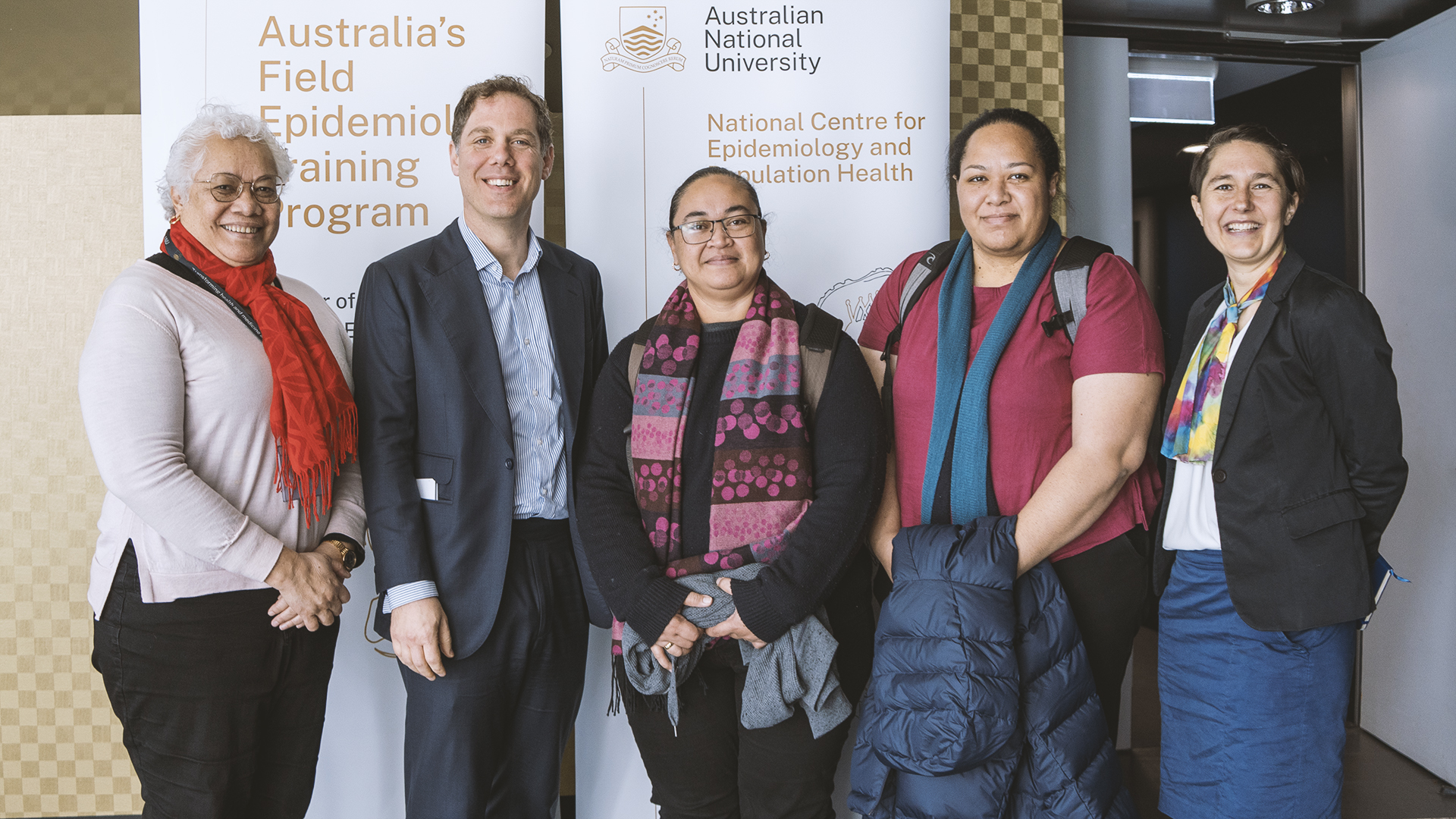
Field epidemiology in action: Global change, future focus
Epidemiologists marked World Field Epidemiology Day with an event featuring distinguished speakers sharing insights on field epidemiology in Australia and around the world.
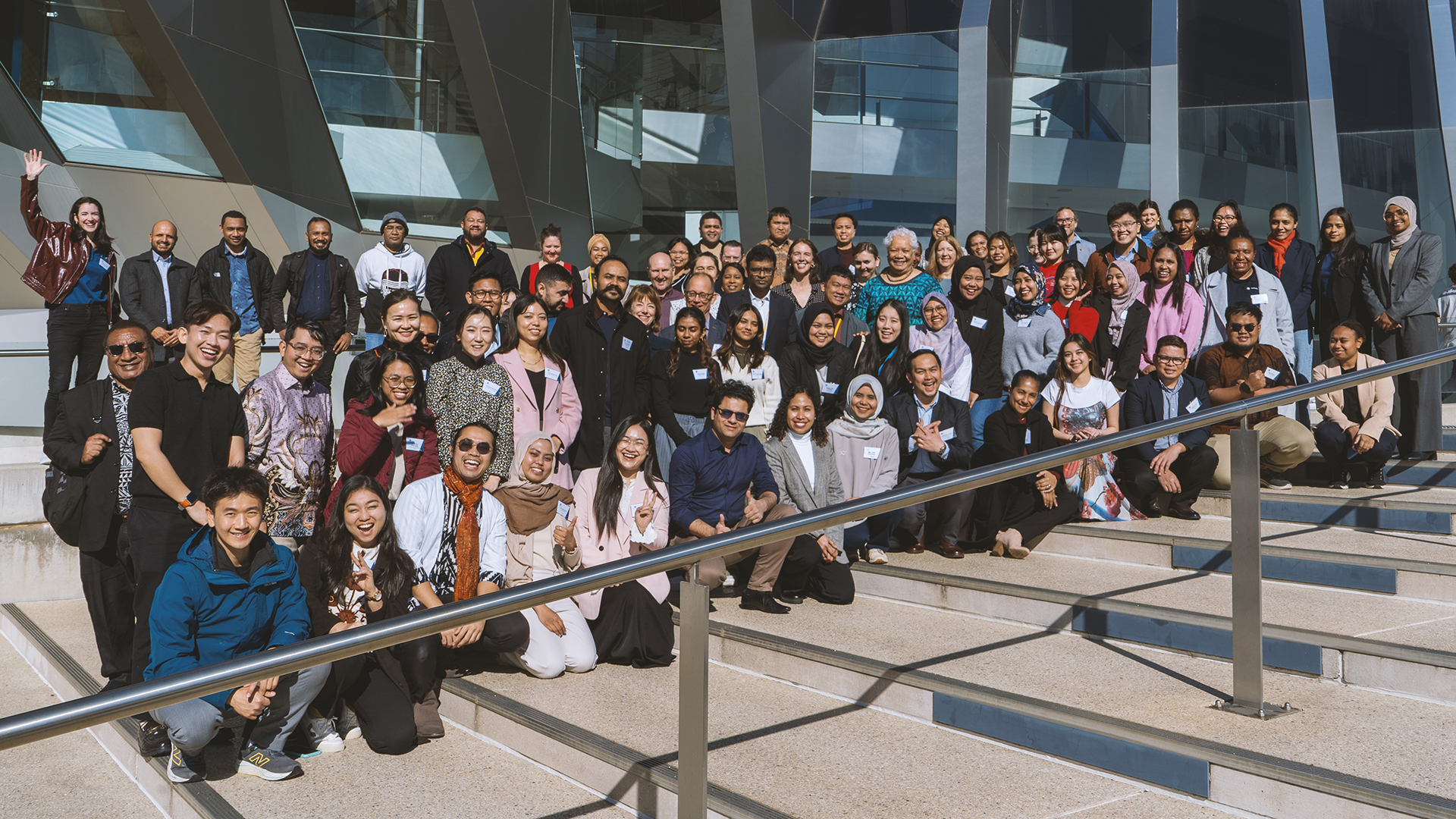
Australia Awards scholars explore the future of global health
The next generation of health leaders gathered at ANU to address some of the world’s toughest health challenges: pandemics, equity, and resilience.

Community are leading the way on protecting Indigenous data sovereignty
Yardura Walani co-hosted the Global Indigenous Data Sovereignty Conference (GIDSov 2025) in partnership with Maiam Nayri Wingara.

Strengthening a global, comprehensive, living toolkit for tackling complex problems
i2Insights celebrates its 10th birthday as a toolkit to support researchers and educators tackling complex societal and environmental problems, specifically providing tools to understand and address complexity.
Expert perspective
Insights from NCEPH researchers shaping national and global conversations

Want to Close the Gap? Eradicate commercial tobacco
Australian policymaking has led the world in tobacco harm reduction, but people are still dying. It’s time to eradicate commercial tobacco.

Living with PFAS ‘forever chemicals’ can be distressing. Not knowing if they’re making you sick is just the start
What we know about the psychological impact of living with PFAS pollution.

Building stronger communities by centring health in climate and environmental action
Resilience is strengthened when communities are informed, supported and empowered.

Australia’s new lung cancer screening program has chosen simplicity over equity, and we’re concerned
Population health researchers are concerned that Australia’s first new cancer screening program in almost 20 years risks entrenching health inequities rather than addressing them.

Climate and health litigation mounting in Australia as exposure to heatwaves grows
Australia’s exposure to extreme heat continues to grow, while the country has emerged as a global hotspot for climate change litigation. Experts share their thoughts.
Student spotlight
Stories about NCEPH students and graduates

Castles, canals, and coding: A European summer with the Baume Travel Grant
The NCEPH Baume Travel Grant supported PhD candidate Daisy Wang to do an overseas internship closely aligned with her research goals.

Sonali Varma is advocating for better mental health support for young people
ANU graduate Sonali Varma says Australia must facilitate a community for young people struggling with isolation and loneliness.

First Nations cancer scholar works to end medical system failing LGBTQISB+ mob
Yardhura Walani student Khwanruethai Ngampromwongse is among the inaugural recipients of a First Nations Cancer Scholarship.
NCEPH by numbers
A snapshot of NCEPH’s activity, people, and reach
